
 Pin It
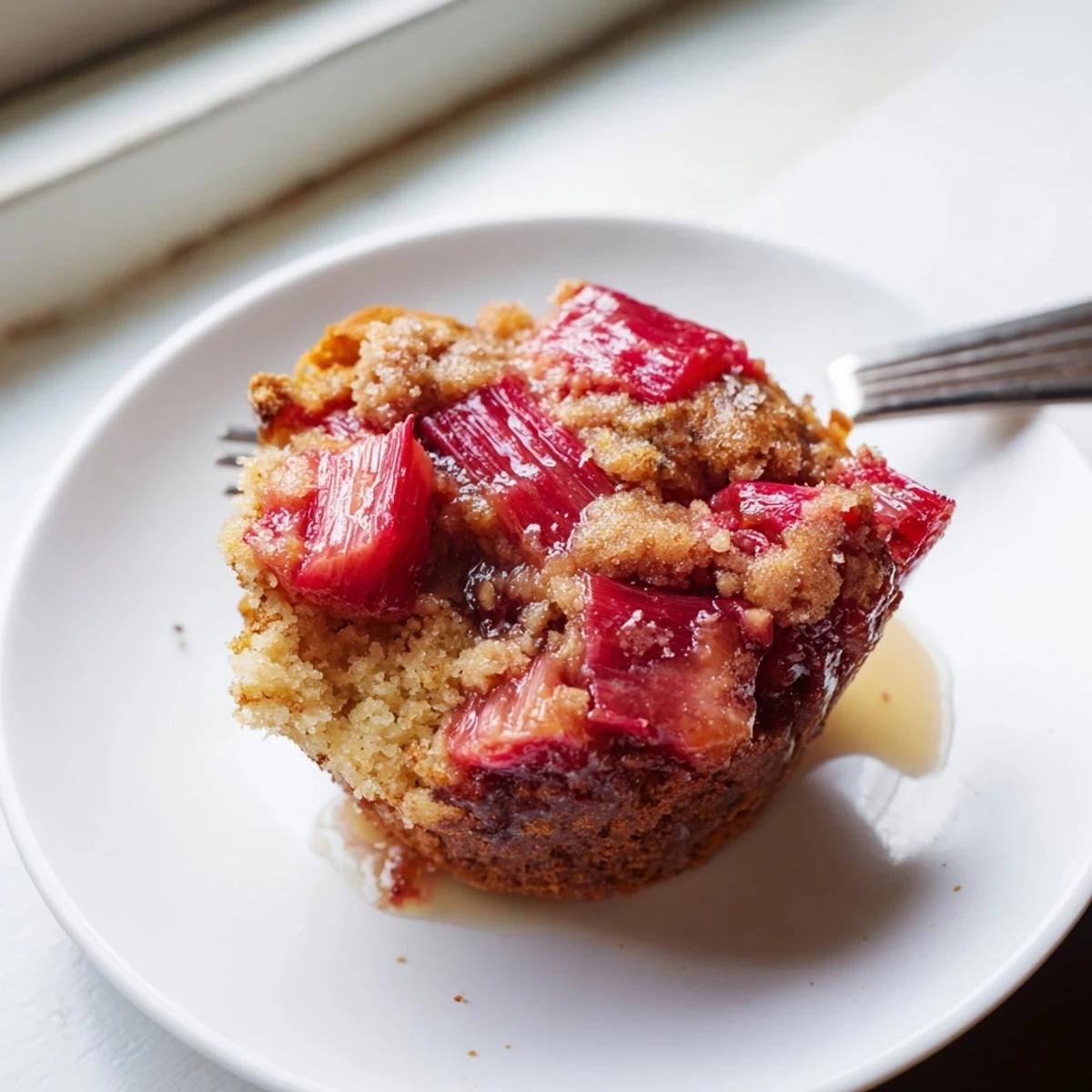
 These upside down rhubarb muffins flip the classic muffin on its head—literally. Fresh diced rhubarb is tossed with sugar and butter, then spooned into the bottom of each muffin cup before being blanketed in a rich buttermilk batter.
As they bake, the rhubarb softens and caramelizes, forming a glistening, jewel-toned topping once inverted. The batter itself is tender and lightly sweetened, letting the tangy fruit shine through every bite.
Ready in under an hour with pantry staples, they're equally at home on a weekend brunch table as they are served warm with a scoop of vanilla ice cream for dessert.
The farmers market had stacks of rhubarb that Saturday morning, thick pink stalks practically glowing under the tent lights. I grabbed a bundle without a plan, which is how most of my best kitchen accidents begin. By noon I had butter bubbling in a muffin tin and rhubarb caramelizing into something that smelled like a pie had a baby with a candy shop. These upside down muffins have been showing up at my brunch table ever since.
I brought a batch to my neighbors potluck last spring and watched three people quietly return to the plate for seconds, pretending they were just helping clean up. That moment of catching someone sneak an extra muffin is the highest compliment a home cook can receive.
Ingredients
- 1 and 1/2 cups fresh rhubarb, diced: The star of the show. Choose firm, brightly colored stalks and dice them small so they soften evenly during baking.
- 1/2 cup granulated sugar (for rhubarb layer): This melts down with the butter to form that irresistible caramelized crown on top.
- 2 tbsp unsalted butter, melted: Coats the rhubarb and helps the sugar form a syrupy glaze at the bottom of each cup.
- 1 and 3/4 cups all-purpose flour: Gives the muffin structure without making it dense. Spoon and level rather than scooping to avoid packing too much in.
- 1/2 cup granulated sugar (for batter): Keeps the cake portion balanced, not overly sweet, letting the tart rhubarb shine.
- 2 tsp baking powder: Provides the lift. Make sure it is fresh, as old baking powder loses its punch and leaves you with flat muffins.
- 1/2 tsp baking soda: Works with the buttermilk to give an extra tender crumb.
- 1/4 tsp salt: Just enough to sharpen all the flavors and keep sweetness in check.
- 1/3 cup unsalted butter, melted and cooled: Cooling it prevents the egg from scrambling when you combine the wet ingredients.
- 1 large egg: Binds everything together and adds richness to the crumb.
- 3/4 cup buttermilk: The secret to a moist, tender muffin. If you do not have any, stir a teaspoon of lemon juice into regular milk and let it sit for five minutes.
- 1 tsp pure vanilla extract: A quiet background note that rounds out the whole flavor profile.
Instructions
- Preheat and prepare the pan:
- Set your oven to 375 degrees F and grease a standard 12-cup muffin tin generously, or line it with paper liners. A well-prepared pan means the upside down release will be smooth and drama free.
- Build the rhubarb layer:
- Toss the diced rhubarb with half a cup of sugar and two tablespoons of melted butter in a small bowl until every piece is coated. Spoon a heaping tablespoon of this mixture into the bottom of each muffin cup, pressing it down gently so it lies flat.
- Whisk the dry ingredients:
- In a large bowl, combine the flour, the remaining half cup of sugar, baking powder, baking soda, and salt. Whisk them together so the leavening is evenly distributed throughout the flour.
- Blend the wet ingredients:
- In a separate bowl, whisk the cooled melted butter, egg, buttermilk, and vanilla until the mixture is smooth and slightly creamy. You want everything emulsified but there is no need to be aggressive about it.
- Combine wet and dry:
- Pour the wet mixture into the dry and fold gently with a spatula, stopping the moment you no longer see dry flour streaks. Overmixing is the enemy of a tender muffin, so a few small lumps in the batter are perfectly fine.
- Fill the muffin cups:
- Divide the batter evenly among the twelve cups, spooning it directly over the rhubarb layer. The cups should be about three quarters full to allow room for rising without spilling over.
- Bake until golden:
- Slide the tin into the oven and bake for 22 to 25 minutes, until the tops are lightly golden and a toothpick inserted into the center of a muffin comes out clean. Trust the toothpick more than the timer.
- Cool and invert:
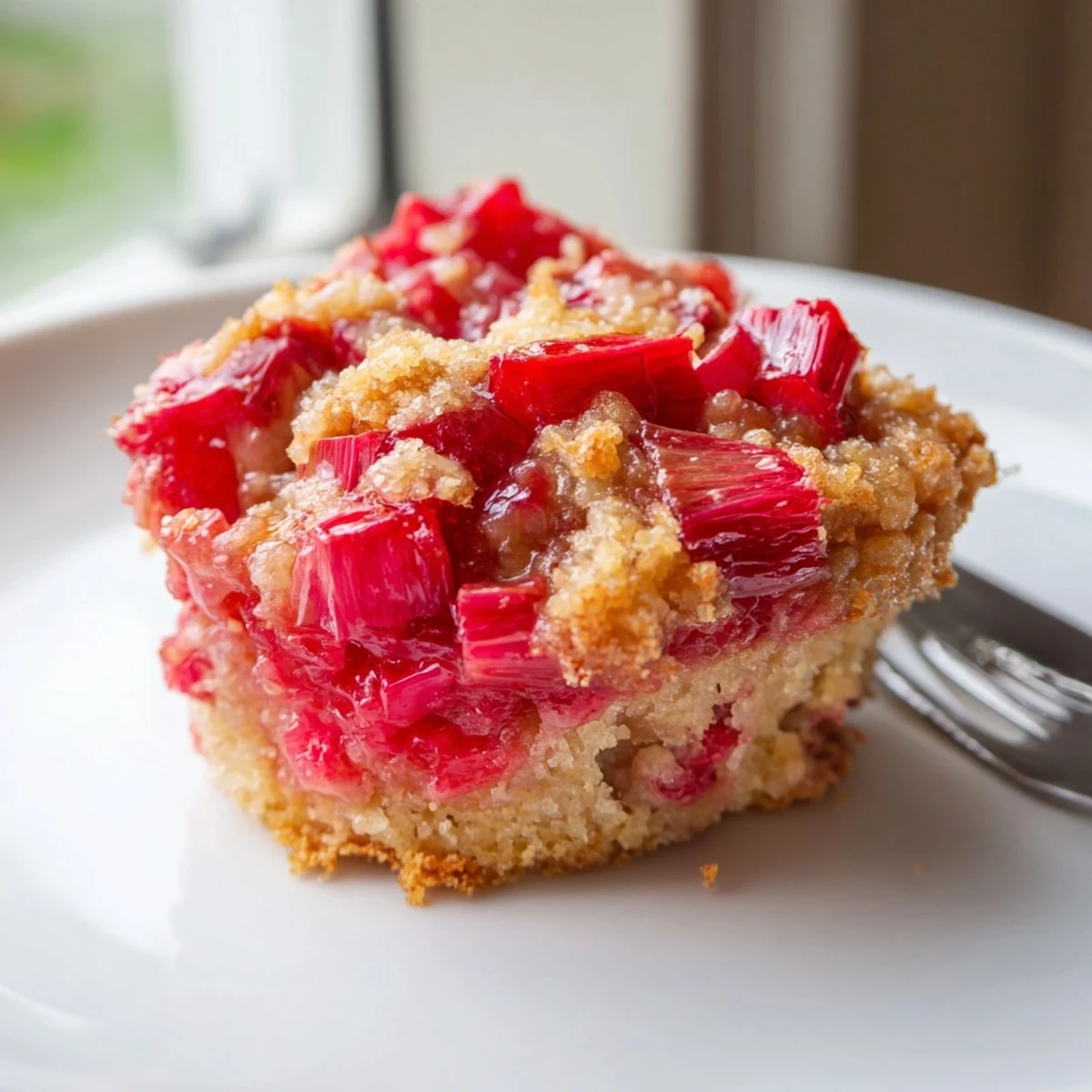
- Let the muffins rest in the pan for five minutes, then run a butter knife around the edges of each one to loosen them. Place a wire rack over the top of the tin, flip it all in one confident motion, and lift the pan away so the caramelized rhubarb sits proudly on top.
 Pin It
 The first time I flipped these out of the pan and saw that jewel-toned rhubarb glistening on top, I actually clapped out loud in my empty kitchen. Some dishes are just joyful like that.
Fun Ways to Switch Things Up
A pinch of cinnamon or ground ginger added to the rhubarb layer brings a warmth that makes these muffins feel right at home on a cool autumn morning. You can also swap half the rhubarb for diced strawberries if you want a sweeter, more playful flavor. I once tossed in a handful of chopped pecans on a whim and the crunch against the soft caramelized fruit was a revelation.
Serving Suggestions Worth Trying
These muffins are lovely on their own while still slightly warm, but a dollop of whipped cream or a scoop of vanilla ice cream on top turns them into a proper dessert. I have also served them alongside a simple fruit salad at brunch, and the combination of fresh and caramelized fruit flavors is surprisingly elegant.
Storage and Make Ahead Notes
Store leftover muffins in an airtight container at room temperature for up to two days, though the topping is at its best on day one. You can freeze them for up to a month by wrapping each one individually in plastic wrap and placing them in a freezer bag.
- Reheat frozen muffins in a 300 degree F oven for about ten minutes to bring back that just-baked softness.
- Avoid stacking them directly on top of each other or the sticky rhubarb crowns will stick together and create a mess.
- If the topping looks dull after storage, a brief warm-up in the oven will revive its shine and make it taste fresh again.
 Pin It
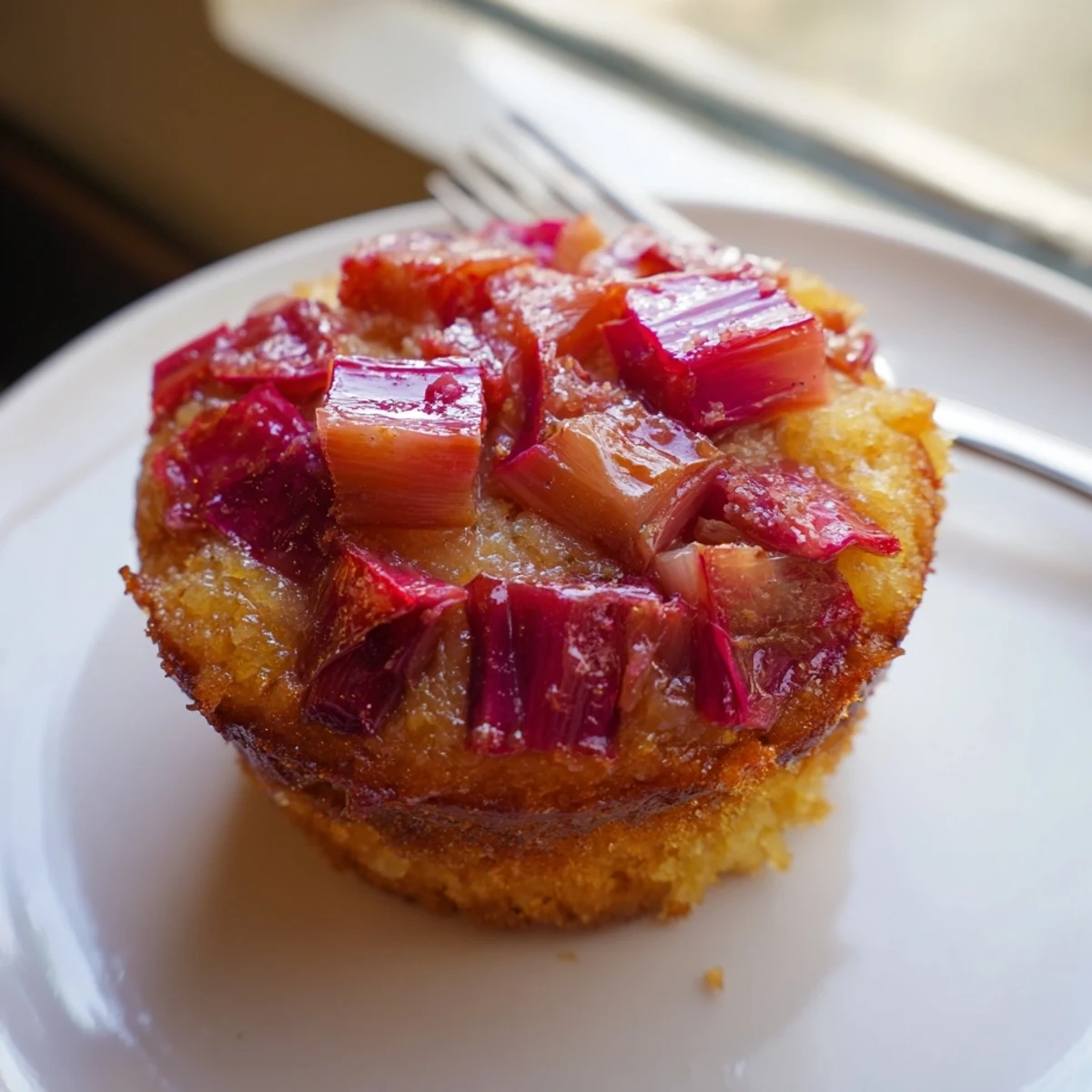
 Keep a bundle of rhubarb in your fridge all season and let these muffins become your go-to when you need something effortless but impressive. They never disappoint.
Recipe Questions
- → Can I use frozen rhubarb instead of fresh?
-
Yes, frozen rhubarb works well. Thaw it first and pat the pieces dry with a paper towel to remove excess moisture before tossing with sugar and butter.
- → How do I prevent the muffins from sticking when inverting?
-
Grease the muffin tin generously, especially around the edges. Let the muffins cool for exactly 5 minutes—no longer—then run a butter knife around each one before flipping onto a wire rack.
- → What can I substitute for buttermilk?
-
Add 1 tablespoon of lemon juice or white vinegar to ¾ cup of regular milk, stir, and let it sit for 5 minutes until it curdles slightly. This homemade version works perfectly in the batter.
- → How should I store leftover muffins?
-
Store them in an airtight container at room temperature for up to 2 days. For longer storage, refrigerate for up to 5 days or freeze individually wrapped for up to 3 months.
- → Can I add other fruits to the rhubarb layer?
-
Absolutely. Strawberries are a classic pairing—replace half the rhubarb with sliced strawberries for a sweeter, more complex flavor. Raspberries or chopped apples also work beautifully.
- → Why did my rhubarb layer not caramelize properly?
-
Make sure the rhubarb is in direct contact with the sugar and butter at the bottom of the tin. Avoid overfilling with batter, and ensure your oven is fully preheated to 375°F so the sugar begins caramelizing immediately.