 Pin It
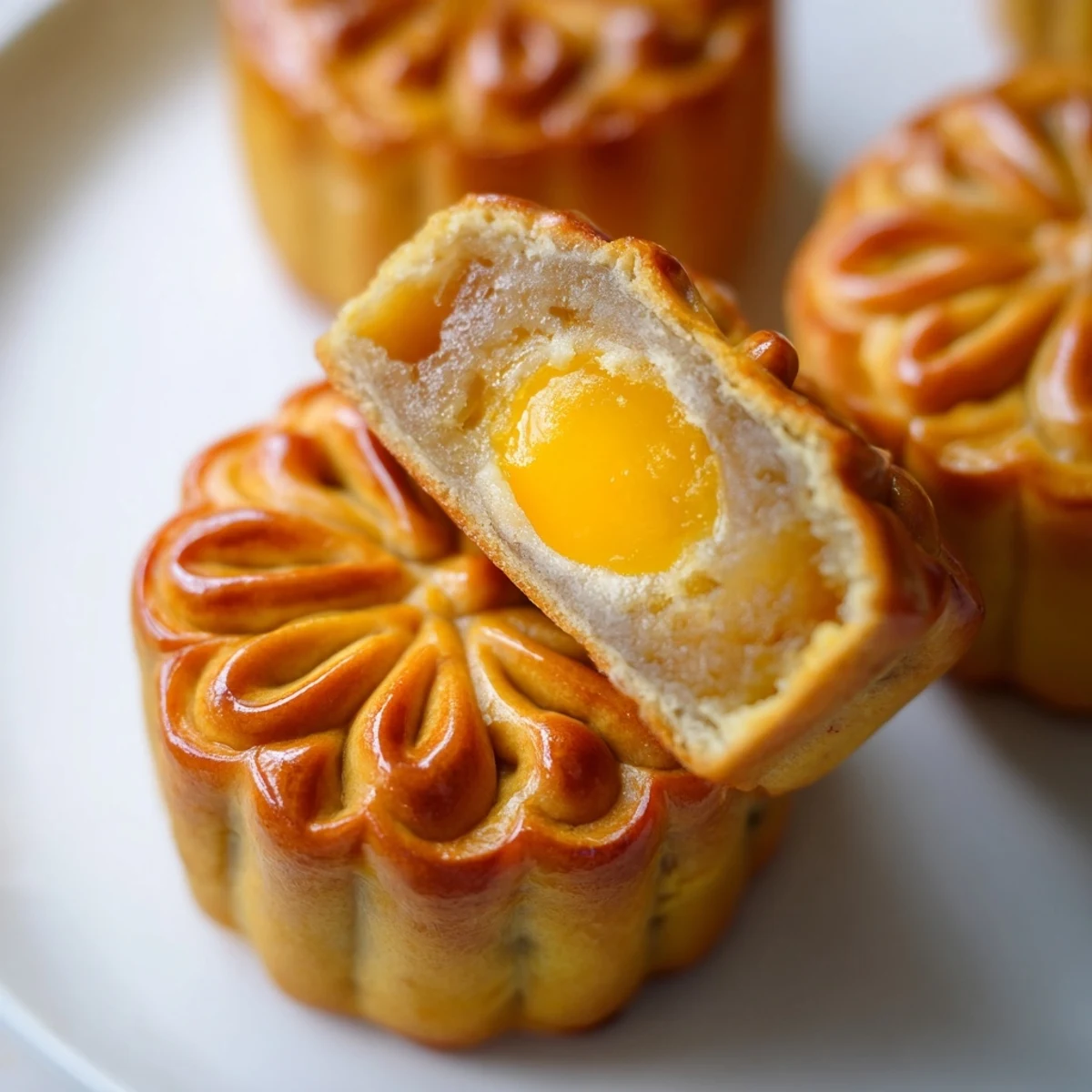
 Create authentic mooncakes featuring a golden, tender pastry enveloping sweet lotus seed paste. These traditional Chinese delicacies require a unique dough made with golden syrup and alkaline water for that signature glossy finish. Each mooncake wraps around a rich filling, with optional salted egg yolk centers adding savory depth to the sweet paste. The process involves brief initial baking followed by an egg glaze for that beautiful burnished appearance. Allow finished mooncakes to rest in a sealed container for 1-2 days, letting the skin soften and flavors meld. Best enjoyed alongside Chinese tea during celebrations.
The first time I attempted mooncakes, my kitchen became a chaotic festival of flour and golden syrup. I had romantic visions of these intricate pastries, fresh from a Chinese bakery, but my reality involved sticky fingers and a dough that refused to cooperate. Three attempts later, I finally understood why this craft is traditionally passed down through generations—hands-on experience teaches you more than any written recipe ever could.
Last autumn, I made these while video calling my grandmother, who watched in amusement as I struggled with the mold. She told me stories about her childhood in Hong Kong, where mooncakes were precious treats saved for the Mid-Autumn Festival. When my batch finally emerged from the oven, golden and imprinted with delicate patterns, I felt like I had joined a lineage of home cooks stretching back generations.
Ingredients
- 200 g all-purpose flour: The foundation of your tender pastry shell, providing structure without becoming tough
- 120 g golden syrup: This honey-colored invert sugar creates the characteristic chewy texture and beautiful amber color
- 50 g vegetable oil: Keeps the dough pliable and prevents the pastry from becoming hard or crumbly
- 1 tsp alkaline water: The secret ingredient that gives mooncakes their signature golden brown color and subtle spring
- 500 g lotus seed paste: The traditional sweet filling, though red bean or black sesame work beautifully too
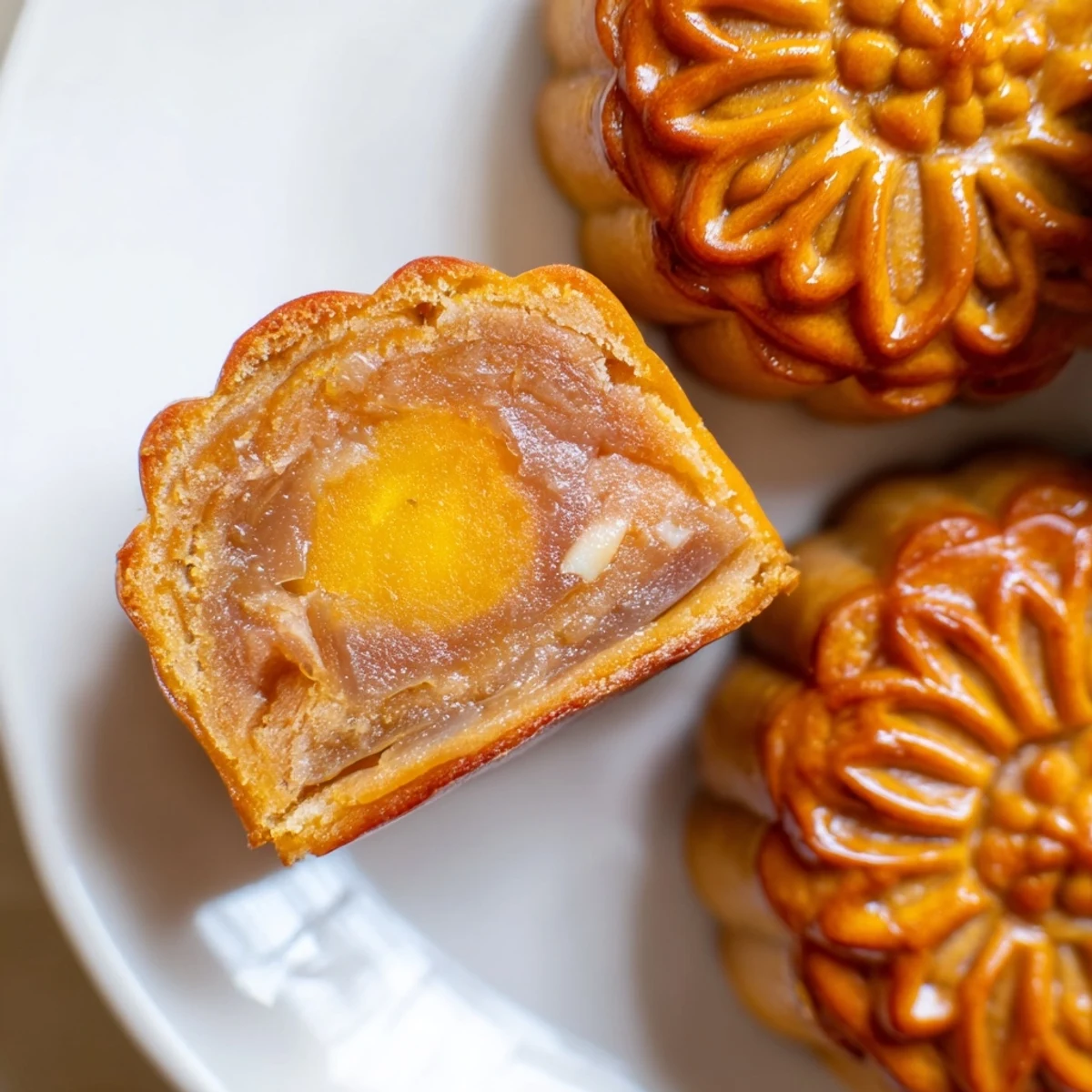
- 12 salted egg yolks: Optional but traditional, adding rich, savory contrast to the sweet filling
- 1 egg yolk and 1 tbsp water: Mixed together for a glossy, professional-looking glaze
Instructions
- Prepare your workspace and oven:
- Preheat oven to 180°C (350°F) and line a baking tray with parchment paper, giving yourself a clean, organized start
- Mix the wet ingredients:
- Combine golden syrup, vegetable oil, and alkaline water in a bowl, stirring until completely smooth and emulsified
- Form the dough:
- Add flour to the wet mixture and stir gently until a soft dough forms, then cover and let it rest for 30 minutes—this relaxation period is crucial for workable dough
- Prepare your filling:
- Divide lotus seed paste into 12 equal portions and if using salted egg yolks, nestle one into the center of each paste ball, reshaping to completely enclose the yolk
- Portion your dough:
- Divide the rested dough into 12 equal pieces, keeping them covered with a damp cloth to prevent drying while you work
- Wrap the filling:
- Flatten one dough piece into a disc, place a filling ball in the center, and gently work the dough up and around until the filling is completely sealed inside
- Mold your mooncakes:
- Dust each ball lightly with flour, place it in a floured mooncake mold, press firmly but gently, then invert to release the shaped pastry onto your prepared tray
- Initial bake:
- Bake for 5 minutes, then remove and cool for 10 minutes—this brief rest helps the patterns set before glazing
- Glaze and finish:
- Whisk egg yolk with water, brush a thin layer over the partially baked mooncakes, and return to the oven for 15–20 minutes until deep golden brown
- The waiting game:
- Cool completely, then store in an airtight container for 1–2 days to allow the skin to soften and develop the traditional velvety texture
 Pin It
 My family now requests these mooncakes weeks before the Mid-Autumn Festival arrives. The first year I made them, my father took one bite and closed his eyes, transported back to his childhood in Shanghai. Food has this incredible power to bridge time and distance, connecting us to memories we did not even know we were holding.
Choosing Your Filling
Lotus seed paste is traditional, but do not be afraid to experiment with red bean, black sesame, or even modern twists like chocolate or matcha. I once made a batch with five-spice infused red bean paste that disappeared faster than any traditional version I had made. The key is balancing sweetness so the pastry and filling complement rather than compete.
Working with the Mold
A properly floured mold is your best friend in this process. Too much flour blurs the delicate patterns, while too little causes sticking and frustration. I learned to lightly dust the mold with a pastry brush, tapping out any excess before pressing each mooncake. The moment of inversion—when you release the mooncake and see the design crisp and perfect—never gets old.
Serving and Storing
Mooncakes are dense, rich treats traditionally cut into small wedges and shared among family members alongside steaming cups of Chinese tea. The slight bitterness of oolong or pu-erh tea cuts through the sweetness and creates a perfect balance. Store them in a cool, dry place in an airtight container, and they will keep for up to two weeks, though they rarely last that long in my house.
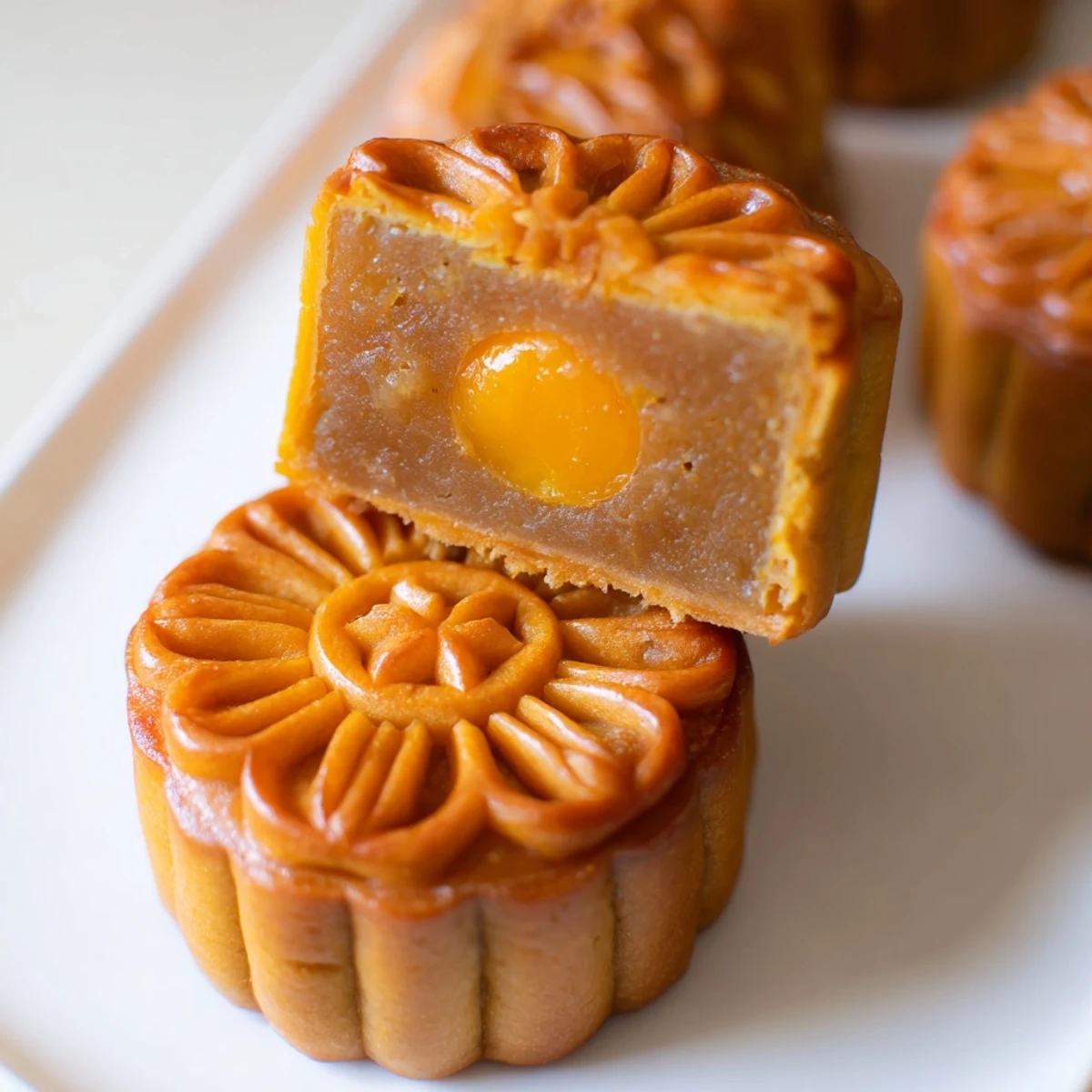
- Cut mooncakes with a sharp, thin knife for clean slices that show off the layered interior
- Bring mooncakes to room temperature before serving for the best texture
- Share these with someone who has never tried them—their expression is worth every minute of effort
 Pin It
 Making mooncakes is an act of love that connects you to generations of cooks who have preserved this tradition. May your kitchen be filled with the sweet aroma of golden syrup and the joy of creating something truly beautiful.
Recipe Questions
- → Why does mooncake dough need alkaline water?
-
Alkaline water, also called lye water, gives the pastry its characteristic golden color and tender texture. It also helps neutralize the acidity in golden syrup while promoting that traditional glossy finish on the baked crust.
- → Can I make mooncakes without a mold?
-
While traditional molds create the iconic decorative patterns and shapes, you can shape them by hand into round balls or flatten slightly into discs. They won't have the classic appearance but will still taste delicious.
- → Why must mooncakes rest before serving?
-
The resting period allows the moisture from the filling to soften the pastry skin, creating that signature tender texture. Freshly baked mooncakes have crispier crusts, while aged ones develop the desired chewy consistency.
- → What fillings work best for beginners?
-
Store-bought lotus seed paste or red bean paste are easiest for first attempts. Making traditional fillings from scratch requires significant time and skill. Start with prepared pastes before advancing to homemade versions.
- → How long do homemade mooncakes keep?
-
Properly stored in an airtight container at room temperature, mooncakes stay fresh for 1-2 weeks. Refrigeration extends this to 3-4 weeks but may affect texture. Bring to room temperature before serving.
- → What's the purpose of the two-stage baking method?
-
The initial brief baking sets the structure and prevents excessive rising. After cooling slightly, the egg glaze is applied and the second baking develops the rich golden color without burning or over-browning the delicate designs.