
 Pin It
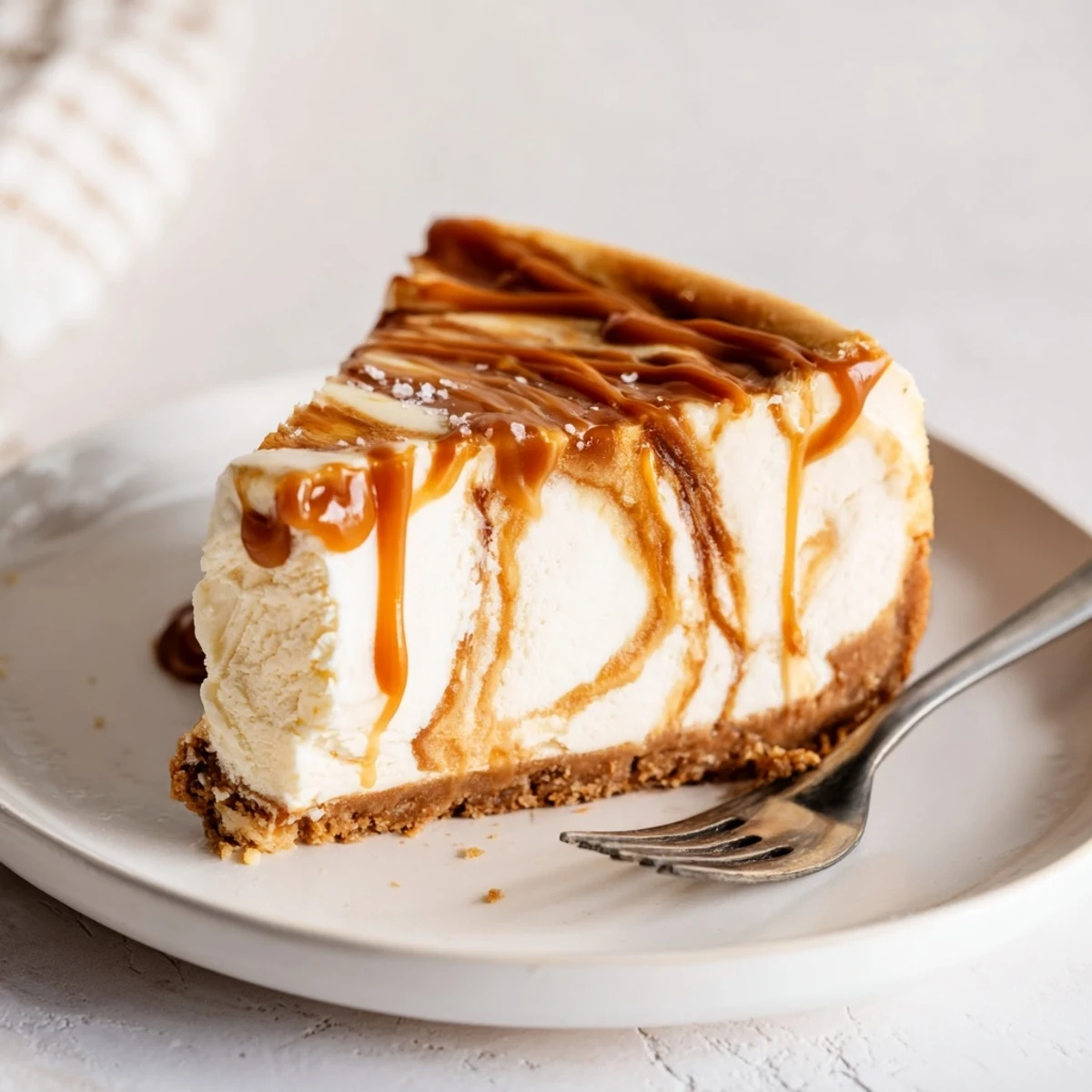
 This indulgent dessert features a velvety smooth cream cheese filling swirled with ribbons of luscious caramel, all resting on a buttery graham cracker crust. The preparation involves creating a crisp pressed crust, whipping up a creamy filling with cream cheese, sour cream, and vanilla, then layering with caramel sauce to create beautiful marbled patterns throughout.
After baking until just set, the cheesecake slowly cools in the oven before chilling for at least four hours to develop the perfect texture. The result is a luscious, restaurant-worthy dessert that balances sweet caramel notes with tangy cream cheese richness. Serve with extra caramel drizzle and sea salt flakes for an elevated finish.
The kitchen was quiet except for the hum of my mixer and the rain against the window pane. I'd been promising my sister I'd master a proper cheesecake for years, always finding some excuse about how temperamental they seemed. That rainy Tuesday, with nowhere to be and nothing to prove, I finally pulled out the springform pan and decided caramel would make anything forgive my mistakes.
My sister took one bite and immediately asked what I'd done differently this time. I told her about the caramel sauce I'd drizzled and swirled, how nervous I'd been about ruining the perfect cream cheese filling with something so bold. She laughed and asked for seconds, which felt like the best kind of victory on a gray afternoon.
Ingredients
- 200 g graham crackers, crushed: The foundation that holds everything together, digestive biscuits work beautifully too if thats what you have
- 80 g unsalted butter, melted: This binds the crust into something that will slice cleanly without crumbling apart
- 2 tbsp granulated sugar: Just enough sweetness in the crust to complement the rich filling
- 900 g cream cheese, softened: The absolute star of the show, leave it out for hours because cold cream cheese means lumps
- 200 g granulated sugar: Dissolves into the cream cheese to create that silky smooth texture
- 1 tsp vanilla extract: Pure vanilla makes everything taste more expensive
- 4 large eggs, room temperature: Cold eggs can cause the batter to seize, so patience here pays off
- 180 ml sour cream: Adds just enough tang to balance all that sweetness
- 2 tbsp all-purpose flour: The secret ingredient that helps stabilize the cheesecake and prevent cracking
- 240 ml caramel sauce: Store-bought works perfectly but homemade will make your kitchen smell like heaven
Instructions
- Preheat your oven and prepare the pan:
- Set your oven to 175°C (350°F) and grease a 23 cm springform pan, lining the bottom with parchment paper for insurance.
- Make the crust:
- Mix crushed graham crackers with melted butter and sugar, then press firmly into the pan bottom and bake for 10 minutes until fragrant.
- Beat the cream cheese:
- Cream the softened cheese until completely smooth, then add sugar and vanilla, beating until light and creamy.
- Add the eggs one at a time:
- Beat in each egg fully before adding the next, keeping the mixer on low to prevent incorporating too much air.
- Mix in the final ingredients:
- Fold in the sour cream and flour just until combined, being careful not to overwork the batter.
- First layer and swirl:
- Pour half the filling over the cooled crust, drizzle with half the caramel, and use a skewer to create gentle swirls.
- Second layer and swirl:
- Add remaining filling and repeat with remaining caramel, then tap the pan gently to release trapped air bubbles.
- Bake until set:
- Bake for 50 to 60 minutes until the center is set but still slightly wobbly, then turn off the oven and leave the door ajar.
- The slow cooling process:
- Let the cheesecake rest in the cooling oven for 1 hour, then cool completely before refrigerating for at least 4 hours.
 Pin It
 That cheesecake became my go-to for celebrations, the one people started requesting by name. I've made it for birthdays and dinner parties and just because Tuesdays needed something sweet.
Making Your Own Caramel
If you have twenty minutes and nerves of steel, homemade caramel transforms this into something absolutely extraordinary. Melt 200 g sugar slowly in a dry pan, stir in 120 ml warm cream carefully, then finish with 30 g butter and a pinch of salt.
The Water Bath Question
I skip the water bath because the sour cream and flour do a brilliant job preventing cracks without the hassle. If you want that extra insurance, wrap your springform pan in foil and set it in a roasting pan with an inch of hot water.
Serving and Storing
This cheesecake actually improves after a night in the refrigerator, giving the flavors time to meld and the texture to become even creamier. Run a thin knife around the edge before releasing the springform for picture-perfect slices.
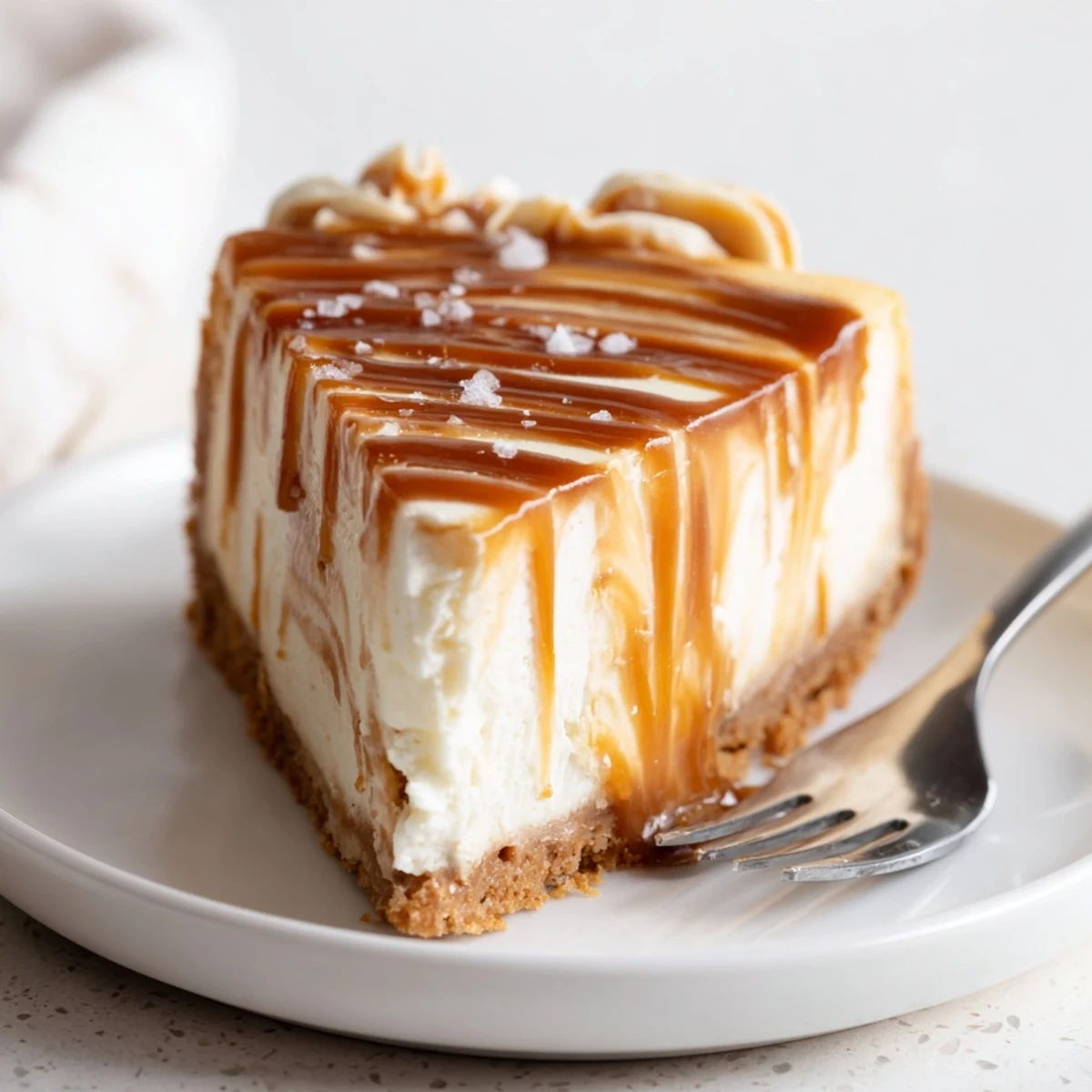
- Top with extra caramel sauce and sea salt flakes just before serving
- A warm knife dipped in hot water makes the cleanest cuts
- This keeps beautifully in the refrigerator for up to five days
 Pin It
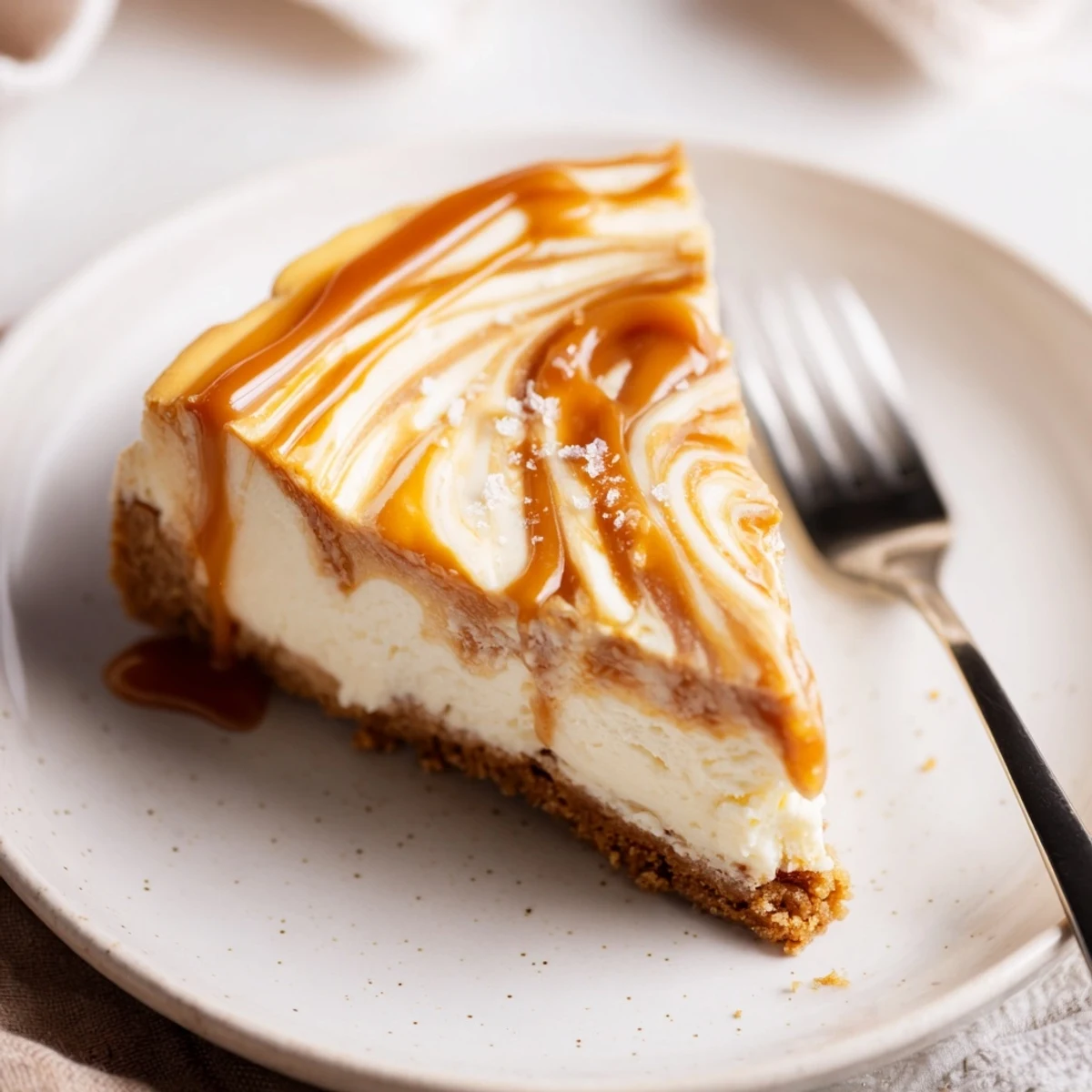
 Some recipes are worth the effort, and this one has never let me down. Hope it becomes a favorite in your kitchen too.
Recipe Questions
- → How long does the cheesecake need to chill before serving?
-
The cheesecake requires refrigeration for at least 4 hours, though preferably overnight. This chilling period allows the filling to set completely and develop the proper creamy texture. The extended chill time also makes it easier to achieve clean slices when serving.
- → Can I use store-bought caramel sauce instead of homemade?
-
Absolutely. Store-bought caramel sauce works perfectly well for the swirls. However, if making homemade caramel, the notes suggest melting 200 g sugar in a dry pan, then adding 120 ml heavy cream and 30 g butter. This yields approximately 240 ml of rich caramel sauce.
- → Why is the oven door left ajar after baking?
-
Leaving the oven door slightly ajar and letting the cheesecake cool gradually inside prevents sudden temperature changes that can cause cracking. This slow cooling period lasts about one hour and helps maintain the smooth surface texture of the finished dessert.
- → What can I substitute for graham crackers?
-
Digestive biscuits make an excellent substitute for graham crackers in the crust. Simply crush them to the same 200 g quantity and proceed with the recipe. The texture and buttery binding will remain consistent, providing the same crisp foundation for the creamy filling.
- → How do I know when the cheesecake is done baking?
-
The cheesecake is ready when the center appears set but still slightly wobbly, similar to gelatin. This typically takes 50–60 minutes at 175°C (350°F). Avoid overbaking, as this can lead to cracks and a dry texture. The residual heat will continue cooking the center during the cooling phase.