
 Pin It
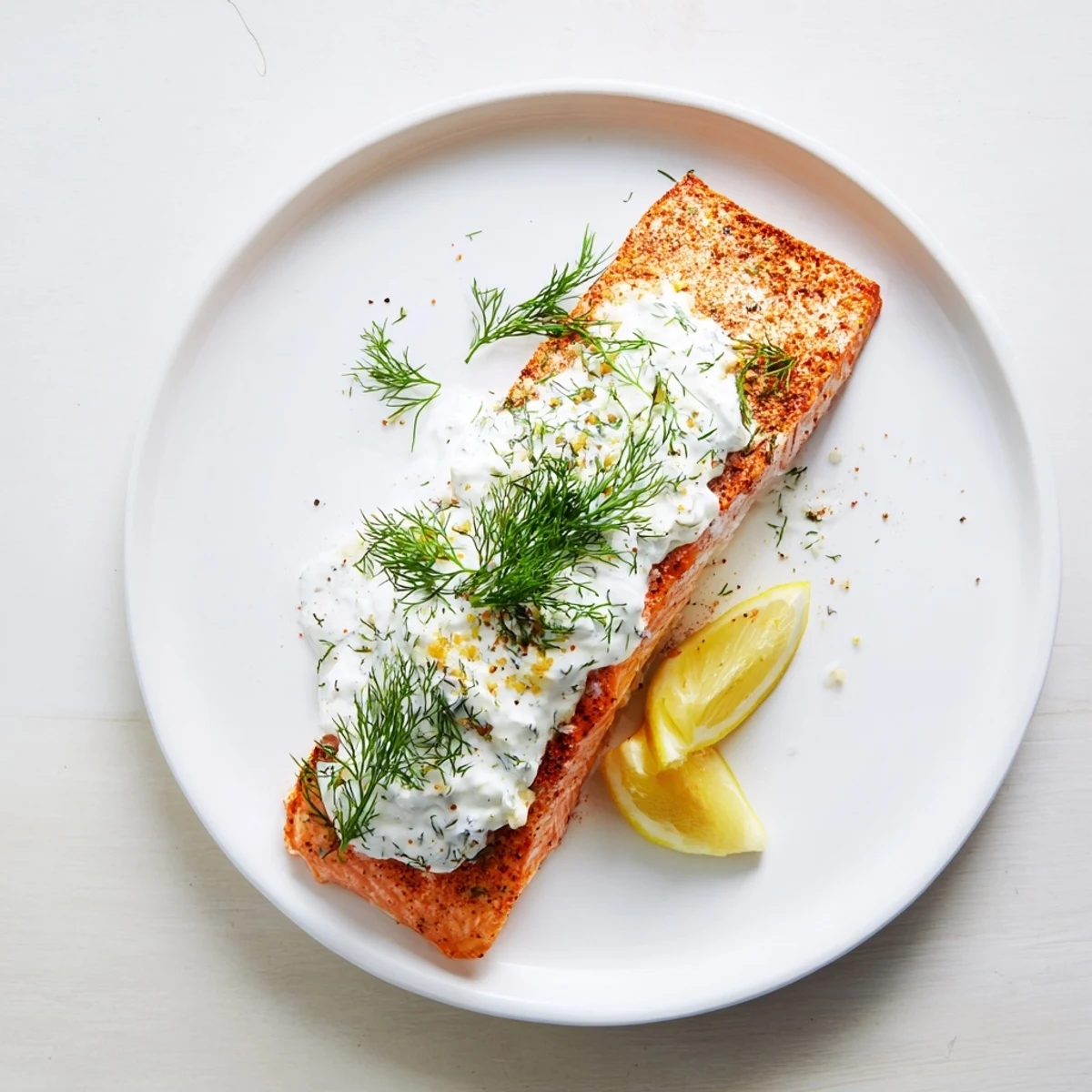
 Oven-roasted salmon fillets seasoned with smoked paprika and lemon zest, then crowned with a cool, creamy Greek yogurt sauce infused with fresh dill, garlic, and lemon. This Mediterranean-inspired dish balances perfectly cooked, flaky fish with tangy, herbaceous notes that brighten every bite. Ready in under 30 minutes, it's an elegant yet simple option for weeknight dinners or entertaining guests.
The first time I made this salmon, my kitchen filled with that bright citrus scent that makes you stop whatever you're doing and just inhale deeply. I'd been experimenting with Mediterranean flavors after a trip to Greece, trying to recreate those simple, vibrant meals we ate at tiny seaside tavernas. Something about the combination of smoky paprika and fresh dill just clicked. Now it's become my go-to when I want something that feels special but comes together in under half an hour.
Last summer my sister came over for dinner, completely exhausted from a new job, and I threw this together while she sat at my counter decompressing. She took one bite and went quiet, which is basically her highest compliment. We ended up eating on the balcony until the sun went down, and she made me promise to write down the recipe before she left. Now she makes it for her roommates, and apparently they request it every week.
Ingredients
- 4 skinless salmon fillets (6 oz each): I've learned that slightly thicker fillets work better here since they stay juicier in the oven, though you can adjust cooking time for thinner cuts
- 2 tbsp extra-virgin olive oil: This creates that beautiful golden crust and helps all the spices cling to the fish
- 1 tsp sea salt and ½ tsp black pepper: Don't skimp on the seasoning since salmon needs a good amount to really shine
- 1 tsp smoked paprika: This is the secret ingredient that adds such depth and makes your kitchen smell incredible
- Zest of 1 lemon: Use a microplane if you have one, and zest directly over the salmon so you catch all those aromatic oils
- 1 cup Greek yogurt (whole milk is best): The full-fat version makes a sauce that's velvety and luxurious, though low-fat works in a pinch
- 2 tbsp fresh dill, finely chopped: Fresh is absolutely non-negotiable here—dried dill just doesn't have that same bright, springy flavor
- 1 tbsp fresh lemon juice: Add this gradually and taste as you go, since different lemons have different levels of acidity
- 1 small garlic clove, minced: One clove gives you just enough background warmth without overpowering the delicate herbs
Instructions
- Get your oven ready:
- Preheat to 400°F and line a baking sheet with parchment paper—cleanup will be so much easier later.
- Prep the salmon:
- Pat the fillets completely dry with paper towels, then arrange them on your prepared baking sheet with some space between each piece.
- Season generously:
- Drizzle the olive oil over each fillet, then sprinkle with salt, pepper, smoked paprika, and that fresh lemon zest, rubbing it in gently with your fingers.
- Roast until perfect:
- Cook for 12–15 minutes until the fish flakes easily with a fork, keeping in mind it'll keep cooking slightly when you pull it out.
- Make the magic sauce:
- While the salmon roasts, stir together the yogurt, dill, lemon juice, lemon zest, garlic, and a pinch of salt and pepper until smooth.
- Bring it all together:
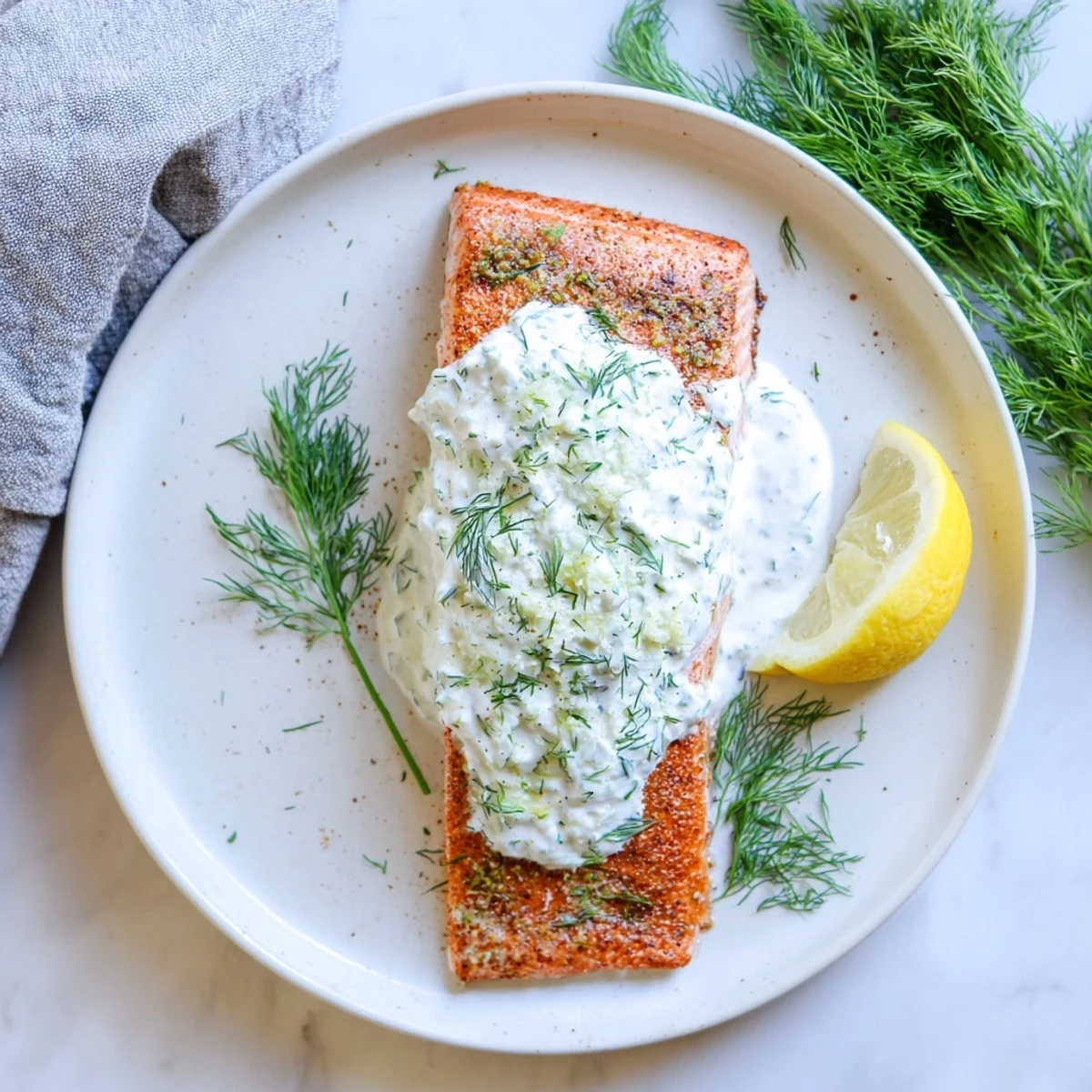
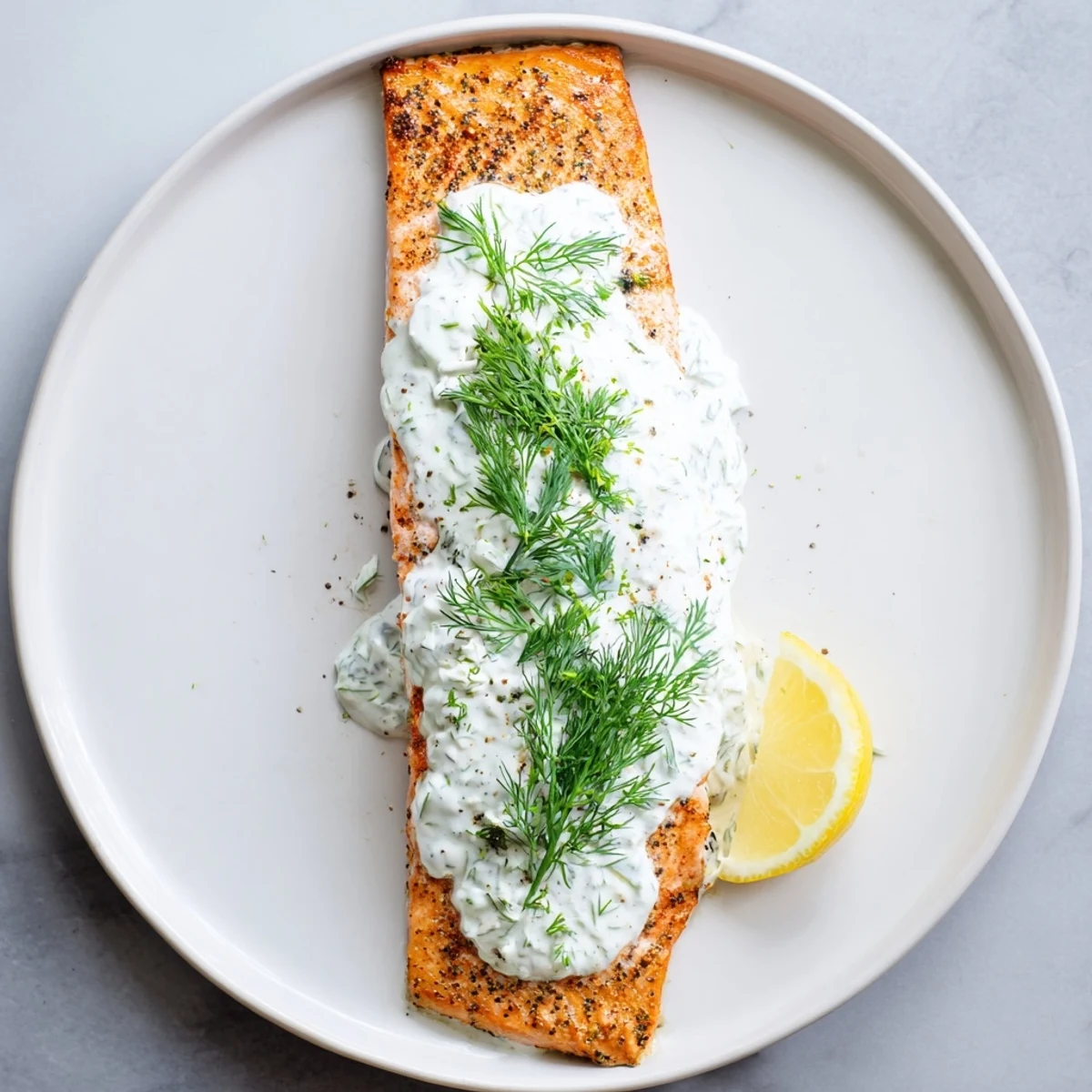
- Plate each salmon fillet and spoon a generous amount of that bright, herby yogurt sauce right over the top.
- Add the finishing touches:
- Garnish with fresh dill sprigs and serve with extra lemon wedges on the side for squeezing.
 Pin It
 This recipe became a staple in our house during one particularly hectic month when cooking felt like just another chore. Then I realized this dish takes less time than ordering takeout and makes the whole house feel warm and inviting. Now it's my comfort food—not because it's heavy or nostalgic, but because it's reliable and delicious and never lets me down.
Making It Ahead
The yogurt sauce actually gets better after a day in the fridge, so I often double it and use the extra throughout the week. The spices on the salmon can be mixed ahead and stored in a small jar, making weeknight cooking almost effortless.
Serving Ideas
I've found this pairs beautifully with roasted vegetables seasoned similarly, or over a bed of warm quinoa that soaks up all the extra sauce. A crisp green salad with a simple vinaigrette cuts through the richness perfectly.
Freshness Tips
When shopping for salmon, look for fillets that are bright pink with no discoloration or strong fishy smell. Fresh dill should be perky and vibrant, not wilted or turning yellow at the edges.
- Wrap leftover dill in damp paper towels inside a plastic bag and it'll stay fresh for almost a week
- If your salmon has skin, cook it skin-side down for extra crispy edges (some people fight over this part)
- The lemon zest keeps in the freezer for months, so zest extra lemons when they're on sale and save it for later
 Pin It
 There's something deeply satisfying about a recipe that looks impressive on the plate but comes from such a simple, honest place. I hope this becomes one of those meals you turn to when you want food that feels like a small celebration.
Recipe Questions
- → What temperature should the salmon be cooked to?
-
The salmon is properly cooked when it reaches an internal temperature of 145°F (63°C) and flakes easily with a fork. This typically takes 12–15 minutes in a 400°F oven.
- → Can I make the lemon dill yogurt sauce ahead of time?
-
Yes, the yogurt sauce can be prepared up to 2 days in advance and stored in an airtight container in the refrigerator. This actually allows the flavors to meld together beautifully.
- → What sides pair well with this salmon?
-
Roasted vegetables, quinoa, or a crisp Mediterranean salad work wonderfully. You could also serve it over rice pilaf or with crusty bread to soak up the extra sauce.
- → Can I use frozen salmon fillets instead of fresh?
-
Absolutely, just thaw them completely in the refrigerator overnight and pat them very dry with paper towels before seasoning and roasting for the best results.
- → Is there a dairy-free alternative for the yogurt sauce?
-
Yes, simply substitute the Greek yogurt with a plant-based yogurt alternative such as coconut, almond, or soy yogurt for a lactose-free version that still provides creamy texture.
- → Can I grill the salmon instead of roasting it?
-
Certainly! Grill the salmon over medium-high heat for about 4–5 minutes per side, or until it reaches the same internal temperature. The smoky char from grilling complements the Mediterranean flavors beautifully.