
 Pin It
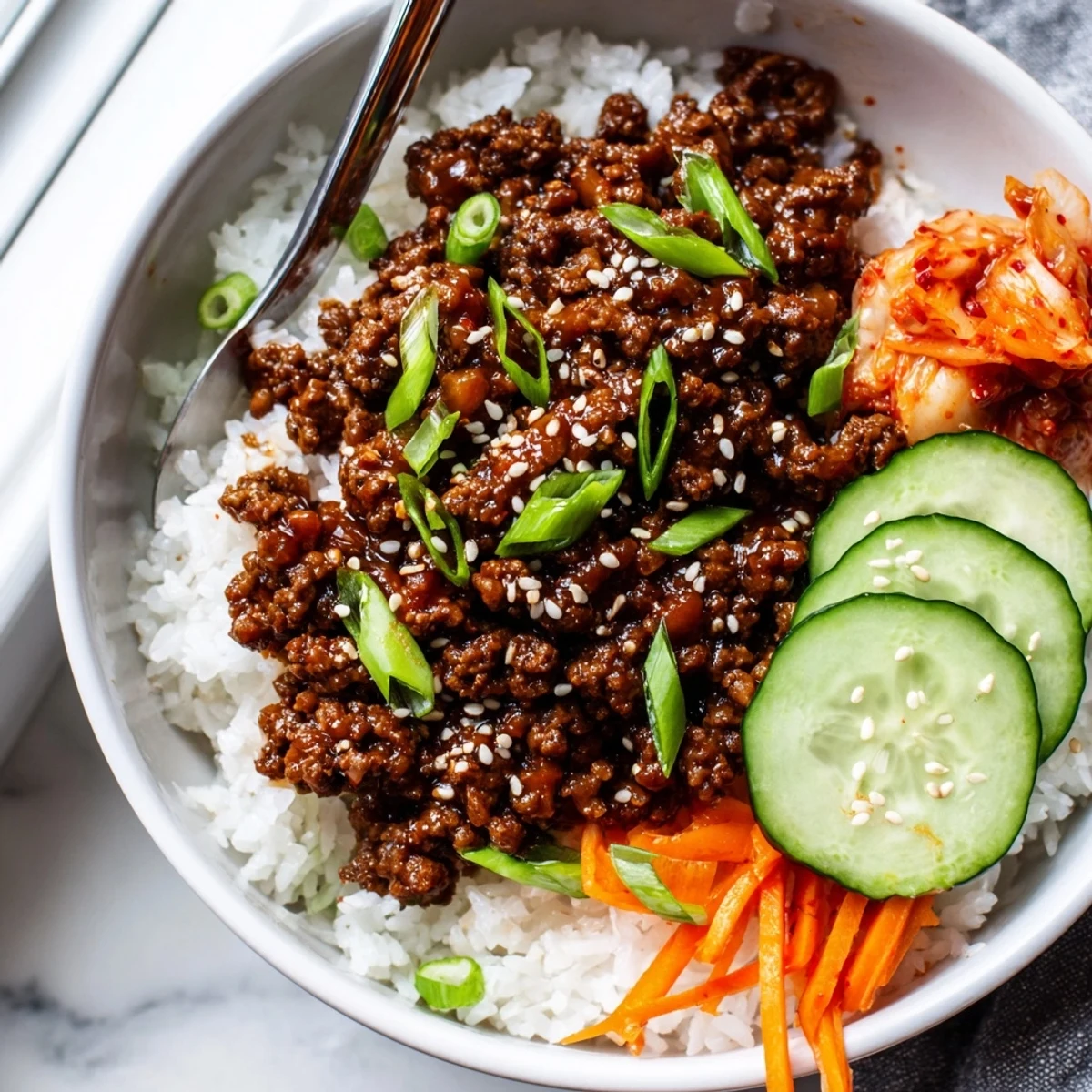
 This Korean ground beef bowl comes together in just 25 minutes, making it perfect for busy weeknights. Lean ground beef is browned and simmered in a rich sauce made with soy sauce, brown sugar, sesame oil, garlic, ginger, and optional gochujang for extra heat.
Served over fluffy jasmine or short-grain rice and topped with julienned carrots, sliced cucumber, green onions, and toasted sesame seeds, each bowl delivers a satisfying balance of savory, sweet, and spicy flavors.
Customizable with chicken or turkey, adjustable spice levels, and gluten-free tamari, this dish feeds four and fits seamlessly into dairy-free diets.
The sizzle of ground beef hitting a hot skillet on a Tuesday evening is one of those sounds that instantly signals dinner is close. I started making Korean ground beef bowls during a phase when takeout felt too expensive and cooking felt too ambitious, and this recipe landed right in the sweet spot. The sauce alone, sticky with brown sugar and humming with gochujang, is enough to make you close your eyes and forget it took almost no effort. It is the kind of weeknight victory that feels like a secret you want to share with everyone.
My roommate walked in one night while I was reducing the sauce and stood over the stove with a spoon before I even had a chance to plate anything. We ended up eating straight from the pan, no bowls, no rice, just the two of us trading the spatula back and forth and agreeing this was better than any delivery we had tried that month.
Ingredients
- Lean ground beef (1 lb): The foundation of the dish and lean works well because the sauce adds all the richness you need.
- Cooked jasmine or short grain rice (2 cups): Short grain rice clings to the sauce beautifully but jasmine brings a lovely fragrance.
- Low sodium soy sauce (1/4 cup): Low sodium lets you control the salt level without losing depth.
- Brown sugar (2 tbsp): This is what gives the sauce that addictive caramel like stickiness.
- Sesame oil (1 tbsp): A little goes a long way and adds a nutty warmth that ties everything together.
- Garlic, minced (3 cloves): Fresh garlic makes a noticeable difference here so skip the jarred kind if you can.
- Grated fresh ginger (1 tbsp): Ginger brings a bright heat that balances the sweetness of the sugar.
- Crushed red pepper flakes (1/2 to 1 tsp): Start with half a teaspoon and taste before adding more.
- Rice vinegar (2 tsp): Just enough acidity to keep the sauce from feeling heavy.
- Gochujang (1 tbsp, optional): This Korean chili paste adds a fermented depth and gentle heat that elevates the whole bowl.
- Green onions, sliced (2): Scatter them on last minute so they stay crisp and sharp.
- Toasted sesame seeds (1 tbsp): Toasting them briefly in a dry pan makes them fragrant and golden.
- Carrot, julienned (1): Adds crunch and a bright pop of color against the dark sauce.
- Cucumber, thinly sliced (1 small): Cool and refreshing, it balances the heat beautifully.
- Kimchi (optional, for serving): If you have some in the fridge it belongs on this bowl without question.
Instructions
- Whisk the sauce together:
- In a small bowl combine the soy sauce, brown sugar, sesame oil, garlic, ginger, red pepper flakes, rice vinegar, and gochujang if using. Stir until the sugar dissolves and the mixture smells deeply savory with a hint of sweetness.
- Brown the beef:
- Heat a large skillet over medium high and add the ground beef, breaking it apart with a spatula as it cooks. Let it develop some caramelized edges and cook through completely, about five to seven minutes, then drain any excess fat.
- Coat with sauce:
- Pour the sauce over the browned beef and stir until every crumb is glossy and coated. Let it simmer for two to three minutes until the sauce thickens and clings to the meat rather than pooling at the bottom.
- Build the bowls:
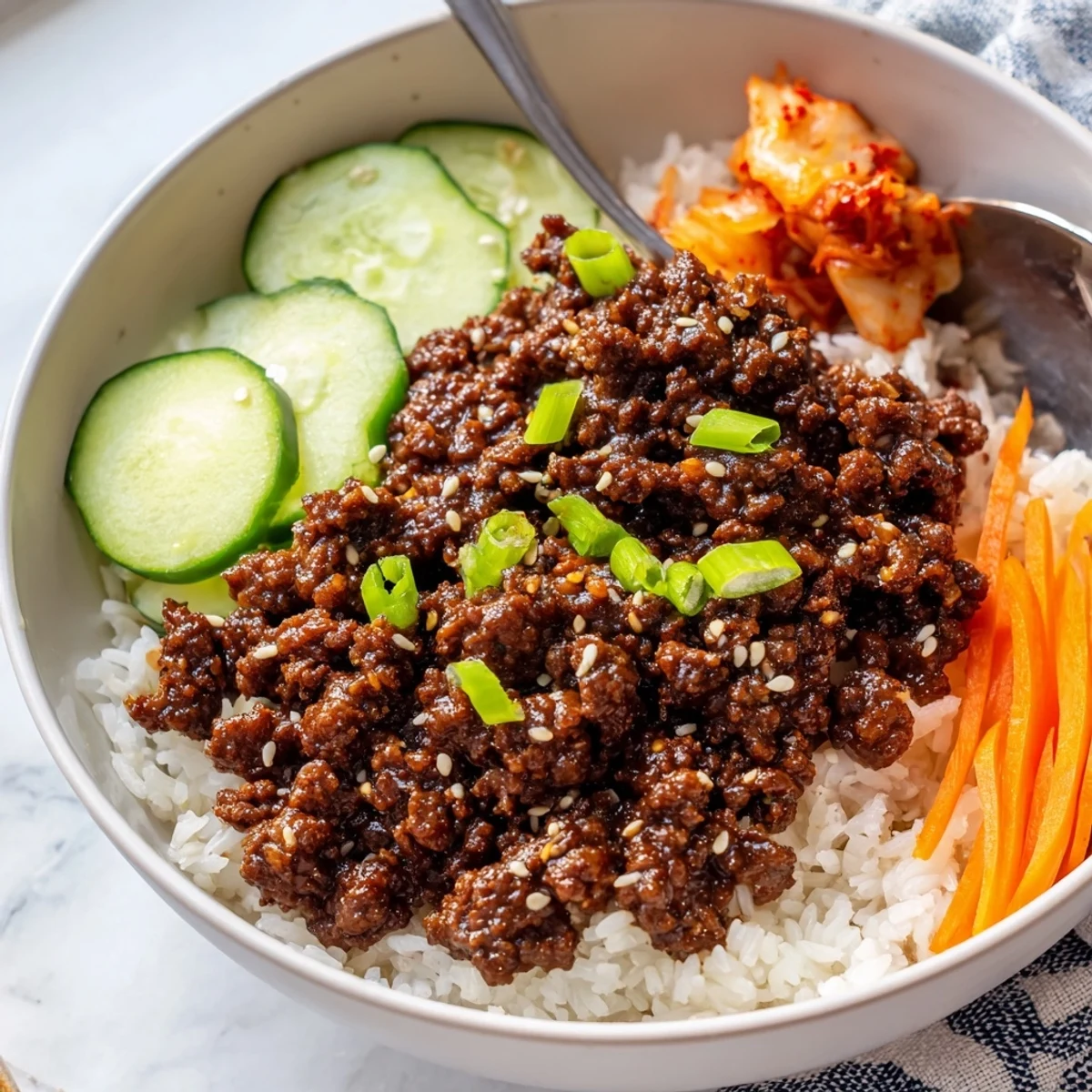
- Divide the warm rice among four bowls and spoon the saucy beef generously over each one. Arrange the toppings in small clusters so every bite offers something different.
- Finish and serve:
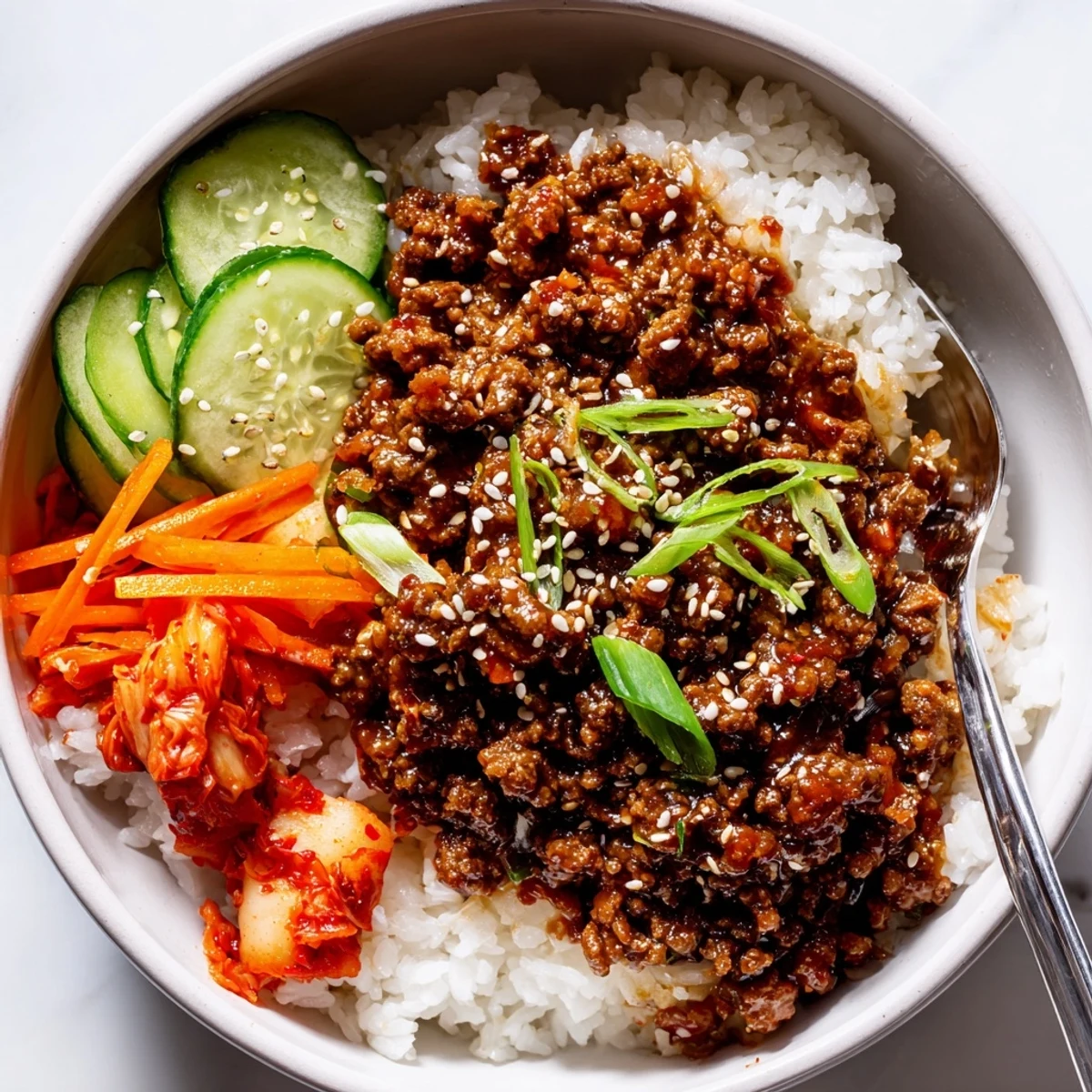
- Scatter green onions, sesame seeds, julienned carrot, cucumber slices, and kimchi over the top. Serve immediately while the beef is still hot and the vegetables are cool and crisp.
 Pin It
 I brought this to a potluck once in a big thermal container and watched three people ask for the recipe before they even finished their first bite. It became a dish I associate with impromptu gatherings and the specific happiness of watching someone lick their chopsticks clean.
Making It Your Own
Ground chicken or turkey works beautifully if you prefer something lighter and the sauce carries enough personality that you will not miss the beef. For a gluten free version swap the soy sauce for tamari and double check that your gochujang label is clean. A fried egg on top turns this into something that feels almost indulgent, the runny yolk mixing with the sweet soy glaze in a way that borders on unfair.
What to Watch For
The biggest mistake I made early on was using too much heat when reducing the sauce, which scorched the sugar and left a bitter edge. Medium heat is your friend here and patience pays off more than aggression. Also, taste the sauce before you pour it over the beef because that is your chance to adjust the sweetness or heat to your liking.
Serving and Storing
This bowl is best eaten the moment it is assembled but the beef mixture keeps well in the fridge for three days and reheats like a dream. Store the toppings separately so nothing wilts or loses its crunch.
- Keep a batch of the sauce mixed in a jar in the fridge for even faster weeknight meals.
- Double the beef and freeze half for a night when cooking feels impossible.
- Remember that the flavors deepen overnight so leftovers might actually taste better.
 Pin It
 Some recipes earn a permanent spot in your rotation not because they are impressive but because they make an ordinary Tuesday feel like you treated yourself. This is one of those, simple, fast, and deeply satisfying every single time.
Recipe Questions
- → Can I use a different protein instead of ground beef?
-
Yes, ground chicken or turkey works well as a lighter substitute. You can also try cubed tofu for a plant-based version. Keep the cooking time similar and adjust the sauce to taste.
- → How spicy is this Korean beef bowl?
-
The heat level is fully adjustable. Using 1/2 teaspoon of red pepper flakes gives a mild warmth, while adding gochujang and a full teaspoon of flakes brings noticeable spice. Start with less and add more to your preference.
- → What type of rice works best?
-
Short-grain white rice or jasmine rice are ideal choices. Short-grain rice provides the traditional sticky texture that pairs well with the saucy beef, while jasmine rice offers a lighter, fluffier base.
- → Can I make this gluten-free?
-
Absolutely. Simply replace the regular soy sauce with tamari, which is naturally gluten-free. Double-check that your gochujang brand is also gluten-free, as some contain wheat.
- → How should I store leftovers?
-
Store the beef mixture and rice separately in airtight containers in the refrigerator for up to 3 days. Reheat the beef in a skillet or microwave, and prepare fresh toppings when ready to serve.
- → Is gochujang necessary for this dish?
-
No, gochujang is optional. The red pepper flakes alone provide sufficient heat. However, gochujang adds a deeper, fermented chili flavor that enhances the authentic Korean taste profile.