
 Pin It
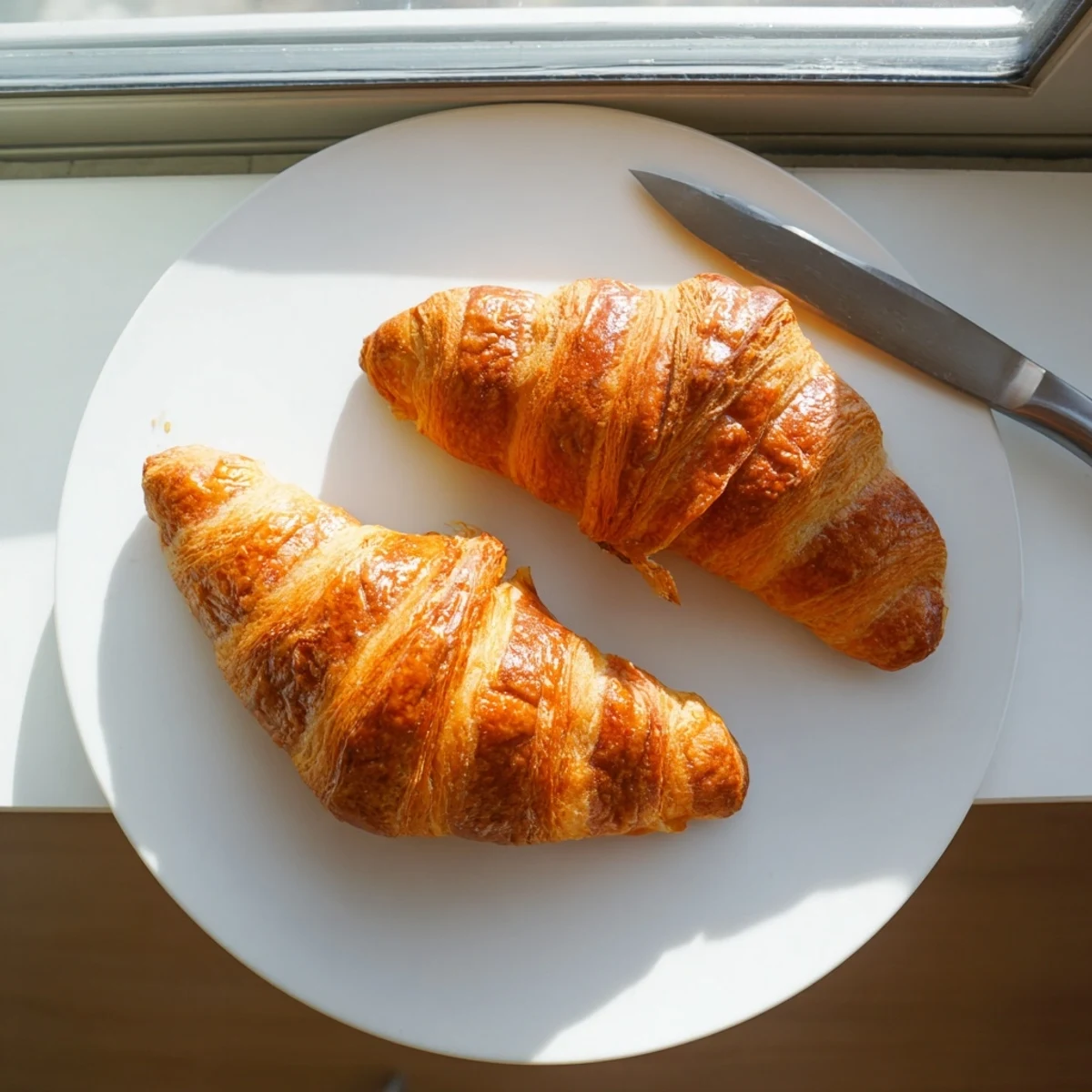
 These gluten-free croissants deliver the authentic French pastry experience—flaky, golden, and irresistibly buttery. Through careful lamination and proper proofing, you'll achieve light layers and that signature crescent shape without traditional wheat flour. The process requires patience with chilling and folding, but the results are worth every minute: tender interiors, crisp exteriors, and that classic butter-rich flavor that makes them perfect for breakfast, brunch, or an elegant afternoon treat.
My kitchen looked like a flour bomb had gone off, but the scent of butter was already doing something magical to the air. Id attempted gluten-free croissants twice before and ended up with dense biscuits that my husband politely called rustic. This time I measured everything by weight, kept my butter actually cold, and whispered to the dough that we were in this together. When they emerged from the oven golden and actually flaky, I may have done a little victory dance right there in my apron.
Last Christmas morning, my sister-in-law who has celiac disease took one bite and literally teared up. She hadnt had a real croissant in seven years. We stood around the kitchen island in our pajamas, butter dripping down our chins, and I realized that food memories are some of the most powerful ones we make.
Ingredients
- Gluten-Free Flour (285 g): Use a blend with xanthan gum already added—its the elastic substitute that gluten-free dough desperately needs to hold those gorgeous layers together
- Instant Yeast (7 g): One packet gives you the perfect rise without having to proof it first, which means one less thing to overthink
- Warm Milk (180 ml): Think bathwater temperature, about 100°F—too hot and youll kill the yeast, too cold and it wont wake up
- Cold Butter for Layering (115 g): The absolute MVP here—keep it straight from the fridge because pliable butter melts into the dough instead of creating distinct flaky sheets
- Softened Butter (40 g): This goes into the dough itself for tenderness, while the cold butter creates the flaky magic
- Egg Yolk Wash: Mixed with a splash of milk, this is what gives you that professional bakery shine and deep golden color
Instructions
- Mix Your Dough:
- Whisk the flour, sugar, salt, and yeast together in a large bowl like theyve known each other for years. Warm your milk slightly, whisk in the egg, then pour this into the dry ingredients and mix until everything comes together into a soft, slightly sticky dough. Beat in the softened butter until its fully incorporated, then cover the bowl and let it rest in the fridge for an hour—this gives the flour time to hydrate properly and makes rolling so much easier later.
- Prepare the Butter Layer:
- While your dough chills, place the cold butter between two sheets of parchment paper and use a rolling pin to pound it into submission—literally. Roll and pound until you have a flat rectangle about 5 by 7 inches, then pop it in the fridge to firm up again. This butter block needs to be the same consistency as your dough so they roll together smoothly.
- Laminate Like a Pro:
- Roll your chilled dough into a 10 by 14-inch rectangle on a lightly floured surface, then place that beautiful butter rectangle right in the center. Fold the dough over the butter like youre wrapping a precious gift, completely sealing it inside. Roll everything out gently to 10 by 14 inches again, then fold into thirds like a letter—this is your first fold. Wrap it up and chill for 30 minutes, then repeat the rolling and folding process two more times for a total of three folds, chilling between each one.
- Shape Your Croissants:
- Roll your beautifully laminated dough into a 12 by 16-inch rectangle, then use a sharp knife or pizza cutter to cut it into 8 triangles. Starting from the wide end of each triangle, roll gently toward the point, stretching the dough slightly as you go. Place them on a parchment-lined baking sheet, tucking the little point underneath so they hold their shape while baking.
- Proof and Bake:
- Cover your croissants loosely with plastic wrap and let them rise in a warm spot for about 2 hours until theyre puffy and slightly jiggly—like a pillow you want to face-plant into. Whisk the egg yolk with milk and brush this over each croissant, then bake at 400°F for 18 to 20 minutes until theyre deep golden brown and your kitchen smells absolutely divine.
- Cool and Devour:
- Let them cool on a wire rack for at least 20 minutes because the steam inside needs to escape for that perfect flaky texture. I know waiting is torture, but cutting into them while theyre still hot can make them soggy.
 Pin It
 These croissants became my go-to hostess gift because nothing says I care about you quite like spending five hours making breakfast that someone with celiac disease can actually eat. The look on peoples faces when they realize they can have a real croissant again is absolutely worth every minute of laminating dough.
Working with Gluten-Free Dough
Gluten-free dough behaves differently than wheat dough—it tends to be stickier and more fragile. Work quickly but gently, and dont be afraid to use flour when rolling. The key is confidence: hesitating makes the dough stick to everything.
Mastering Lamination
Lamination is just fancy talk for folding butter into dough, and it requires patience more than skill. Keep everything cold, work efficiently, and respect those 30-minute chill periods—theyre not suggestions, theyre what creates those ethereal layers.
Storage and Serving Suggestions
Fresh croissants are obviously best the day theyre made, but you can freeze them after baking and reheat at 350°F for 5 minutes to restore some of that crispiness. Split them in half and toast for an extra buttery edge.
- These are incredible with homemade raspberry jam or a drizzle of honey
- Slice them horizontally and make the most decadent breakfast sandwich with scrambled eggs
- Day-old croissants make exceptional bread pudding or pain perdu
 Pin It
 Theres something profoundly satisfying about mastering a recipe that the world tells you should be impossible. May your kitchen be filled with flour, butter, and the knowledge that dietary restrictions never have to mean giving up on joy.
Recipe Questions
- → What makes gluten-free croissants different from traditional ones?
-
Gluten-free croissants use a flour blend with xanthan gum instead of wheat flour, which changes how the dough handles elasticity. The lamination process remains similar, but the dough requires more chilling time to prevent sticking. While the texture is slightly different—still flaky and tender—you'll get that same buttery satisfaction without gluten.
- → How do I get flaky layers in gluten-free croissants?
-
The secret is proper lamination with cold butter and chilled dough. Roll, fold into thirds, and chill at least three times total. Keep everything cold to prevent butter from melting into the dough. Work quickly but gently, and don't skip the chilling steps—this creates those signature buttery layers that separate during baking.
- → Can I make dairy-free gluten-free croissants?
-
Absolutely. Substitute cold plant-based butter sticks for the butter layer and use your preferred non-dairy milk. The texture remains excellent, though the flavor profile shifts slightly. Choose a high-quality butter alternative that stays firm when cold for the best lamination results.
- → Why is my dough sticky or hard to roll?
-
Gluten-free dough can feel softer and stickier than wheat dough. Keep your work surface lightly dusted with gluten-free flour and chill the dough whenever it becomes difficult to handle. If it's too warm, it will stick; if it's too cold, it may crack. Find that sweet spot where the dough is pliable but firm.
- → How do I know when my croissants are fully proofed?
-
Properly proofed croissants look puffy and have visible layers when gently touched. They should increase in size noticeably and feel jiggly, not dense or tight. Press gently with your finger—the indentation should slowly spring back. This usually takes about 2 hours in a warm, draft-free spot.
- → Can I freeze gluten-free croissants?
-
Yes, freeze baked croissants once completely cooled. Wrap individually in plastic, then place in a freezer bag for up to 3 months. To refresh, thaw at room temperature and warm in a 350°F oven for 5-7 minutes. This restores crispiness and brings back that fresh-baked texture.