
 Pin It
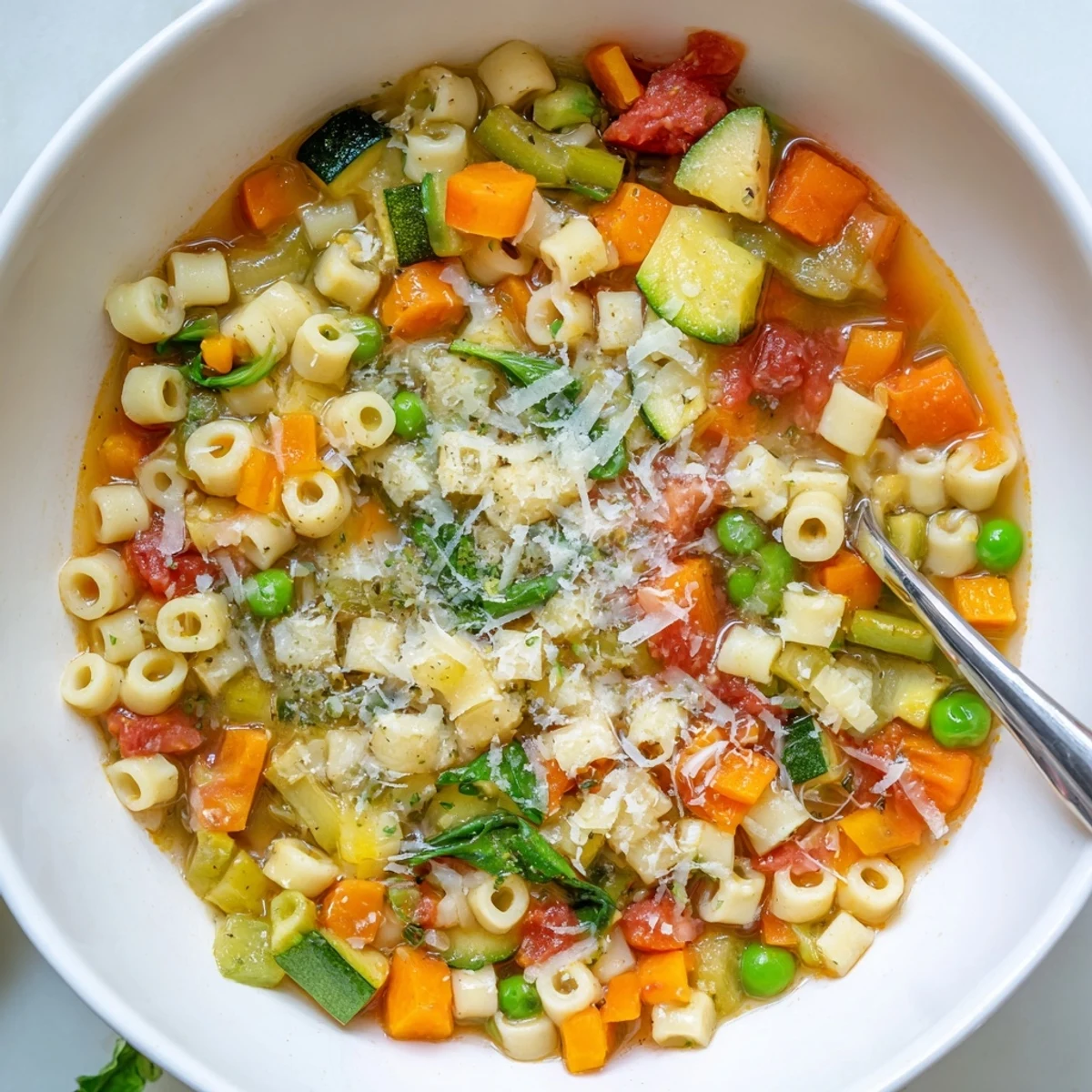
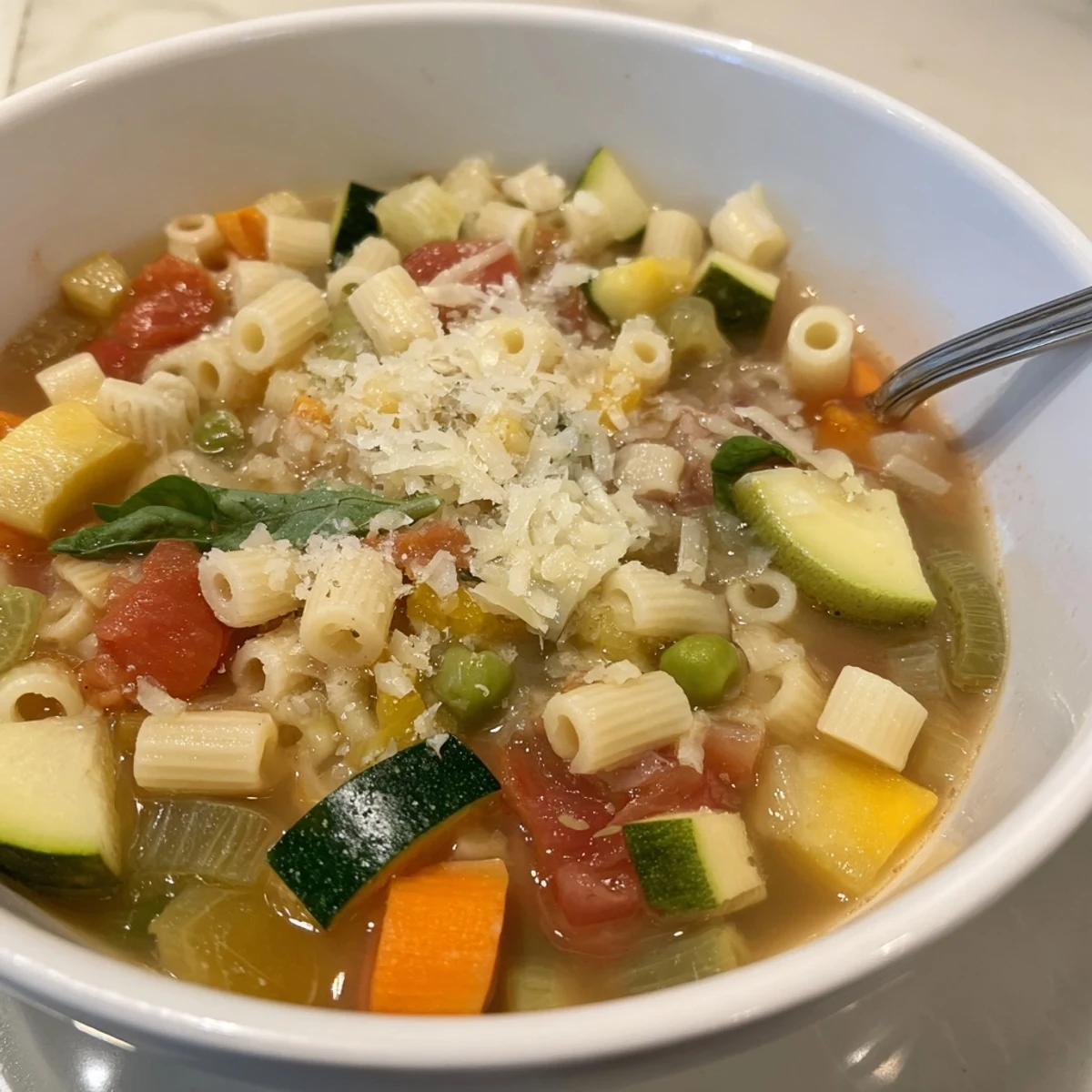
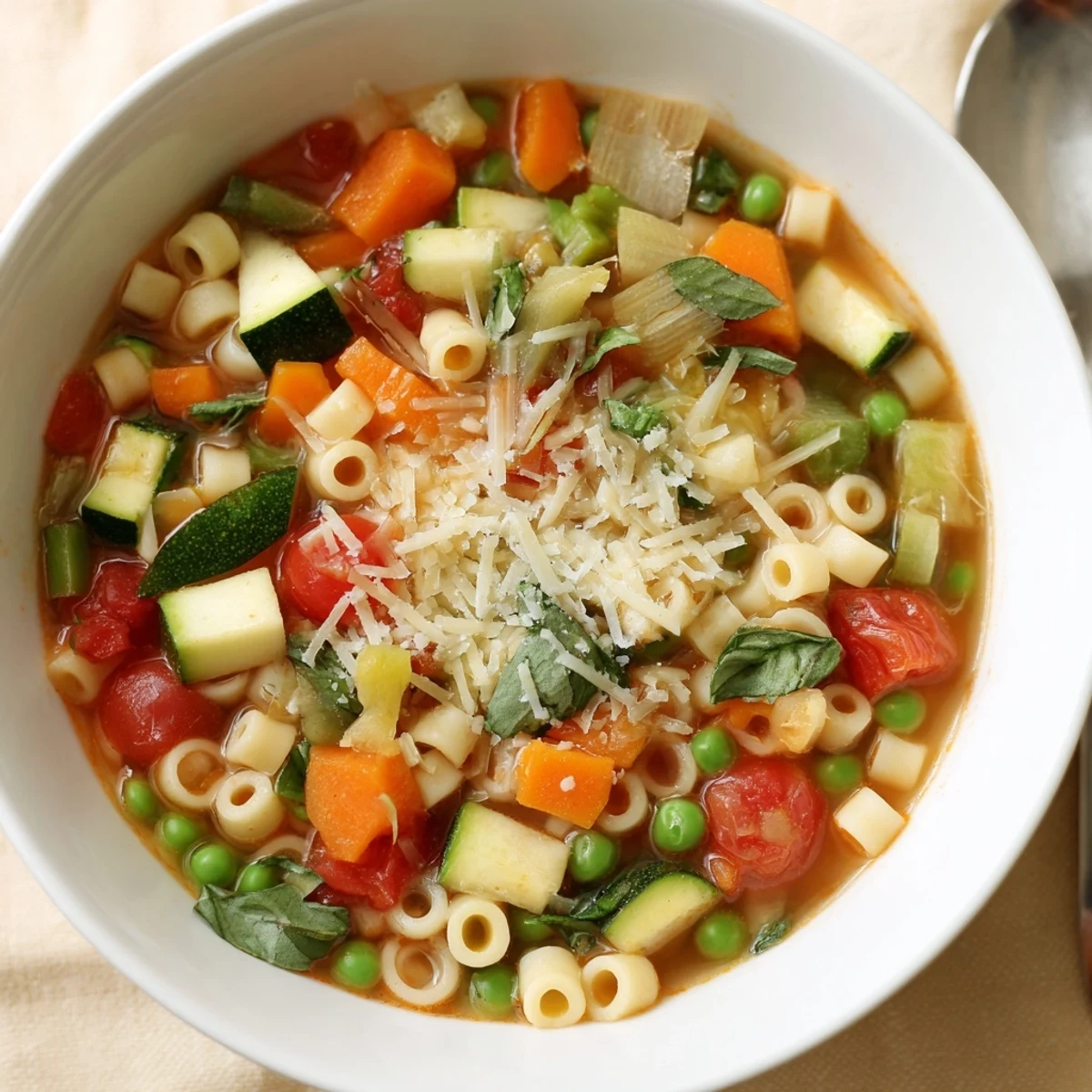
 This spring minestrone starts by sautéing onion and garlic in olive oil, then softening carrots and celery. Add zucchini, green beans and cherry tomatoes, pour in vegetable broth, and simmer with small pasta and peas until the pasta is al dente. Stir in baby spinach and fresh herbs, finish with a drizzle of olive oil and grated Parmesan. Serves 4 in about 50 minutes; swap in beans or seasonal veg to vary texture and protein.
One Saturday in late April, I opened the window above my kitchen sink and let in the afternoon breeze, which carried the scent of fresh-cut grass and tulips. As I unpacked bags of just-picked vegetables from the farmer’s market, inspiration struck for a light, green-focused soup brimming with the season’s best offerings. The sound of chopping carrots and slicing crisp green beans felt almost meditative, and it made me genuinely excited to stand at the stove for a while. This minestrone came together with a certain brightness that always feels like a little celebration of spring itself.
I still laugh remembering my first time serving this to friends on our tiny back porch, balancing soup bowls on mismatched plates as we watched fireflies flicker in the dusk. There were bits of green bean and carrot on every plate from too much enthusiastic ladling, but no one cared once they’d tasted how vibrant and comforting it was. Even the kids, notorious for picking out vegetables, devoured their bowls without complaint.
Ingredients
- Olive oil: Using good olive oil gives a fruity depth right from the start, and I’ve learned that even one tablespoon makes a difference.
- Yellow onion: Finely chopping helps it melt into the broth, creating layers of flavor without any harshness.
- Garlic: Garlic’s gentle bite is essential; mincing ensures even flavor throughout the soup.
- Carrots: Chopped carrots add gentle sweetness; I like to dice them small so they cook evenly with the other vegetables.
- Celery: Two stalks bring earthiness and subtle crunch—don’t skip the leafy tops if you have them.
- Zucchini: Its delicate taste and creamy texture balance the soup; dice to match the other vegetables for a harmonious bite.
- Packed peas: Fresh or frozen work—run frozen peas under warm water to quickly defrost.
- Green beans: Trim and cut to bite-size pieces so each spoonful feels manageable and fresh.
- Baby spinach: Stirred in at the end, spinach brightens the color and adds a gentle green flavor.
- Cherry tomatoes: Halved, they give a juicy pop and a hint of sweetness to every bowl.
- Vegetable broth: Choose a low-sodium version and taste before adding salt—it’s a trick that’s saved me from overdoing it more than once.
- Small pasta (ditalini or orzo): The pasta makes the soup more filling and comforting; cook until just al dente.
- Salt: Season in stages for best results.
- Black pepper: Freshly ground pepper wakes everything up at the end.
- Red pepper flakes (optional): Just a pinch brings gentle warmth without overpowering the fresh flavors.
- Fresh basil: Chopped after washing, basil should be added at the last minute to retain aroma.
- Fresh parsley: A classic Italian finish—use flat-leaf for a clean, peppery hint.
- Fresh dill (optional): Just a tablespoon adds delicate, springlike aroma.
- Parmesan cheese: Grated over the top, the cheese melts a bit for a luscious finish; omit for vegan.
- Extra virgin olive oil: A drizzle right at the end gives a silky sheen and extra flavor.
Instructions
- Start the aromatics:
- Heat olive oil in your favorite large soup pot over medium heat. Add onion and garlic, and as they sizzle, stir and inhale the sweet aroma until they’re translucent, about three minutes.
- Sauté the base veggies:
- Drop in the diced carrots and celery. Stir and listen as the vegetables soften and their fragrance blooms across the kitchen for about five minutes.
- Add delicate spring veggies:
- Stir in zucchini, green beans, and cherry tomatoes. Let them cook for another two to three minutes so they start to brighten in color but still hold their shape.
- Build the broth:
- Pour in the vegetable broth, feeling the warmth rise as you bring everything to a gentle simmer.
- Pasta and peas:
- Tip in your chosen pasta and peas, stirring well. Let it all bubble for eight to ten minutes, until the pasta is just tender and the veggies are cooked but vibrant.
- Finish with greens and herbs:
- Swirl in the baby spinach, fresh herbs, and seasoning. Stir gently as the spinach wilts and the herbs perfume the soup—taste and adjust salt, pepper, and red pepper flakes as needed.
- Serve and garnish:
- Ladle the soup into bowls, topping each one with grated Parmesan and a drizzle of good olive oil. Scatter over extra herbs if you like, and serve piping hot.
 Pin It
 One rainy spring evening, my neighbor stopped by with her arms full of chives and hand-picked dill from her garden; she tossed them into the soup pot with a flourish and somehow, that little gesture made the soup taste homier than ever. It turned a typical Tuesday into an impromptu little gathering, all of us huddled around steaming bowls, appreciating the season and each other.
Getting the Texture Just Right
I’ve found the trick is not to overcook any of the vegetables—the zucchini and green beans need only a few minutes, so they stay tender but retain some bite. If you like your minestrone with more broth, only use half the pasta or add a splash of hot water before serving.
Making it Gluten or Dairy-Free
Gluten-free pasta stands up beautifully here; just watch the cooking time as it softens faster and can go mushy. Skipping the Parmesan for a dairy-free bowl works perfectly, especially with a sprinkle of nutritional yeast or just extra chopped herbs for richness.
Every Bowl Feels a Little Different
Since the spring market haul changes week to week, I love tossing in asparagus tips or a handful of fava beans if I spot them. This recipe really is more of a method than a rulebook, encouraging a bit of kitchen improvisation.
- Save the parmesan rind to simmer in the broth for even more depth.
- Leftovers are fantastic the next day, but keep extra pasta separate to avoid sogginess.
- Don’t forget a final squeeze of lemon juice right before serving for brightness—it’s a game-changer.
 Pin It
 I hope you get the chance to enjoy this soup with good company or as a solo treat, relishing each spoonful and all the lively flavors that only spring can bring. Happy cooking.
Recipe Questions
- → How long should the pasta cook in the broth?
-
Cook small shapes like ditalini or orzo for about 8–10 minutes in simmering broth, or until al dente. Start timing once the broth returns to a gentle boil after adding the pasta to avoid overcooking.
- → Can I make this version vegan or gluten-free?
-
Yes. Omit the Parmesan or use a plant-based alternative to keep it vegan. Swap regular pasta for a gluten-free variety and check labels on broth to keep it gluten-free.
- → What pasta shapes work best here?
-
Small shapes such as ditalini, orzo, or small shells hold up well and fit with the vegetables. Choose compact pasta so it cooks evenly and doesn't overpower the broth and veg.
- → How do I keep vegetables from becoming mushy?
-
Cut vegetables into uniform pieces and add firmer vegetables like carrots and celery first. Add delicate items such as spinach and peas near the end of cooking to preserve texture and color.
- → Is it okay to add beans for extra protein?
-
Yes. Stir in canned cannellini or other beans toward the end of cooking to warm through. Rinsing canned beans first prevents excess starch and keeps the broth clearer.
- → How should I store and reheat leftovers?
-
Refrigerate in an airtight container for 3–4 days. Reheat gently on the stove, adding a splash of broth or water to loosen the texture, and check seasoning before serving.