
 Pin It
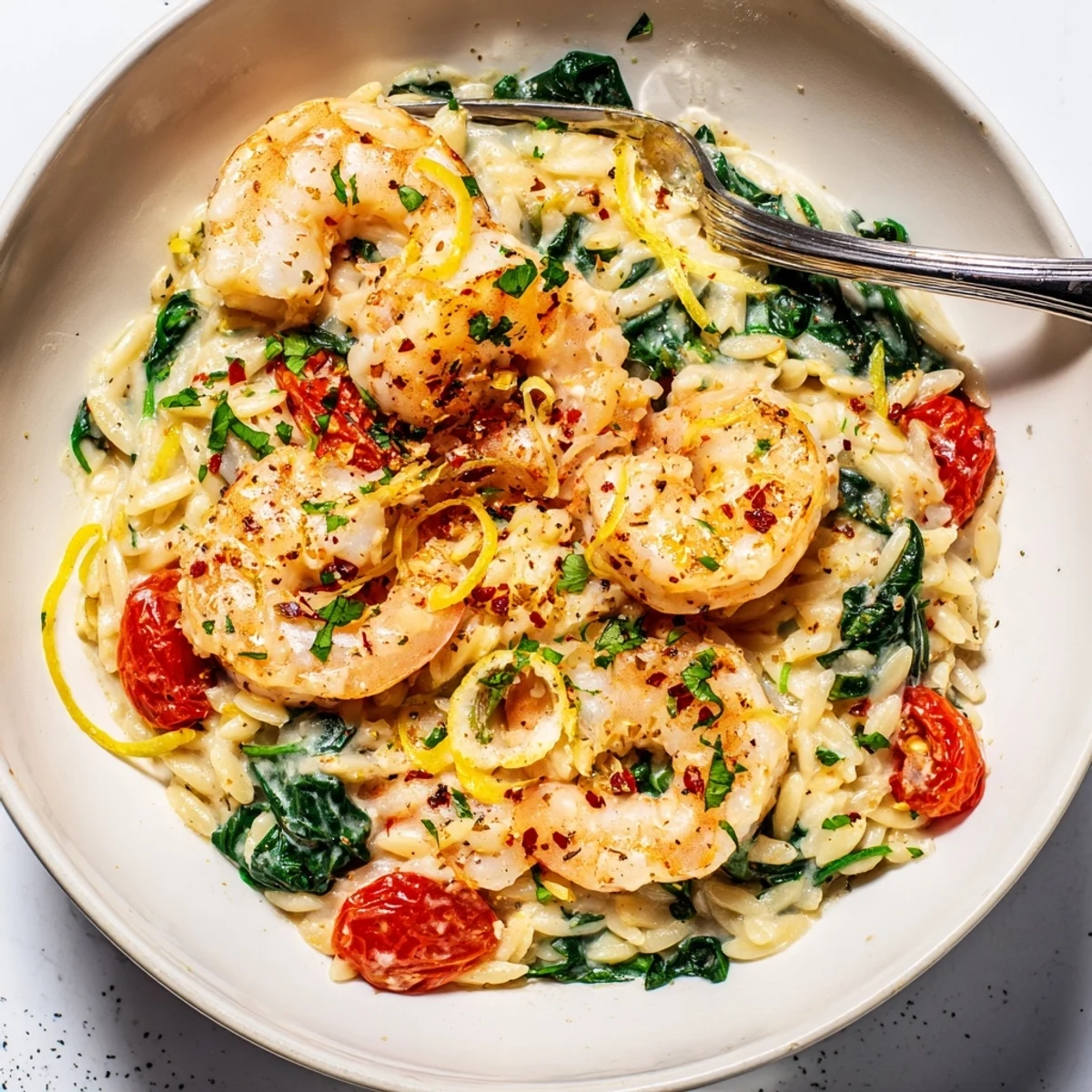
 Start by searing seasoned shrimp just until opaque, then remove. Sauté onion and garlic, add orzo and toast briefly. Deglaze with white wine, then add broth and simmer until the orzo is nearly tender and most liquid is absorbed. Stir in cream and Parmesan, return shrimp, fold in spinach, and finish with lemon zest and parsley. Keep shrimp slightly underdone when finishing to avoid toughness, and taste for salt and pepper before serving.
The sound of shrimp hitting a hot pan is one of those small kitchen thrills that never gets old, a sharp sizzle that promises something good is coming. This creamy shrimp orzo came together one rainy Tuesday when the fridge offered shrimp, a half used bag of orzo, and not much else. What landed on the table forty minutes later was rich enough for a Saturday dinner party yet easy enough to repeat every week since. It has become the dish I reach for when I want comfort without fuss.
I made this for my neighbor Laura after she had her second baby, and she texted me at midnight saying she ate the entire container standing over the kitchen sink. That is honestly the highest compliment any recipe can receive.
Ingredients
- 1 lb (450 g) large shrimp, peeled and deveined: Buy the biggest shrimp you can find because they stay juicy and give you that satisfying bite, and always pat them completely dry before they hit the pan.
- 1.5 cups (300 g) orzo pasta, uncooked: Orzo is sneaky because it looks like rice but cooks like pasta, so do not be tempted to rinse it after toasting.
- 2 tbsp olive oil: A good fruity olive oil makes a real difference here since it is the foundation flavor.
- 1 small onion, finely chopped: Finely is the key word because you want it to melt into the sauce, not announce itself in every bite.
- 3 cloves garlic, minced: Three is the sweet spot, enough to perfume the whole dish without taking over.
- 1 cup (150 g) cherry tomatoes, halved: They burst during cooking and add little pockets of sweetness that balance the cream.
- 2 cups (60 g) baby spinach: It wilts down to almost nothing, so do not be alarmed by how much raw spinach looks in the pan.
- 0.5 cup (120 ml) dry white wine: Pinot Grigio or Sauvignon Blanc work beautifully, and whatever is left in the bottle pairs perfectly with dinner.
- 3 cups (720 ml) low sodium chicken or vegetable broth: Low sodium matters because the Parmesan and reduction will concentrate the salt as it cooks.
- 0.5 cup (120 ml) heavy cream: Just a splash transforms everything, and you can swap half and half if you want something lighter.
- 0.5 cup (50 g) freshly grated Parmesan cheese: Please grate it yourself because the pre shredded kind has anti caking powder that makes the sauce grainy.
- 1 tsp smoked paprika: This is the ingredient that makes people ask what your secret is.
- 0.25 tsp crushed red pepper flakes (optional): A gentle warmth rather than actual heat, so even spice sensitive guests enjoy it.
- Salt and black pepper to taste: Season in layers throughout cooking rather than all at the end.
- Zest of 1 lemon: Add it at the very end because heat kills the bright floral quality of fresh zest.
- 2 tbsp fresh parsley, chopped: Flat leaf parsley only, and give it a rough chop right before serving so the color stays vivid.
Instructions
- Get the shrimp going:
- Heat the olive oil in a large skillet over medium high heat until it shimmers, then add the shrimp in a single layer with a pinch of salt, pepper, and smoked paprika. Cook two to three minutes per side until they curl and turn pink but are still slightly translucent in the center, then scoop them out and set aside on a plate.
- Build the flavor base:
- Turn the heat down to medium and toss the onion into the same pan with all those lovely shrimp bits. Sauté two to three minutes until soft and translucent, then stir in the garlic and cook just until you can smell it, about one minute.
- Toast the orzo:
- Add the cherry tomatoes and uncooked orzo right into the pan and stir everything together for about a minute. You want the orzo to get slightly golden and the tomatoes to just begin softening against the heat of the pan.
- De-glaze with wine:
- Pour in the white wine and scrape up every bit of goodness stuck to the bottom of the pan. Let it bubble and reduce by about half, which should take roughly two minutes and will make your kitchen smell incredible.
- Simmer until tender:
- Pour in the broth, give everything a good stir, and bring it to a gentle simmer before covering the pan. Cook eight to ten minutes, lifting the lid to stir occasionally, until the orzo is nearly tender and most of the liquid has been absorbed into the pasta.
- Bring it all together:
- Stir in the heavy cream and Parmesan until the sauce turns silky, then tuck the shrimp back in and scatter the spinach over the top. Cook two to three more minutes until the spinach wilts and the shrimp is heated through, then taste and adjust the salt and pepper.
- Finish and serve:
- Take the pan off the heat and shower the whole thing with lemon zest and chopped parsley. Serve it straight from the skillet while it is still bubbling and the sauce has that perfect glossy sheen.
 Pin It
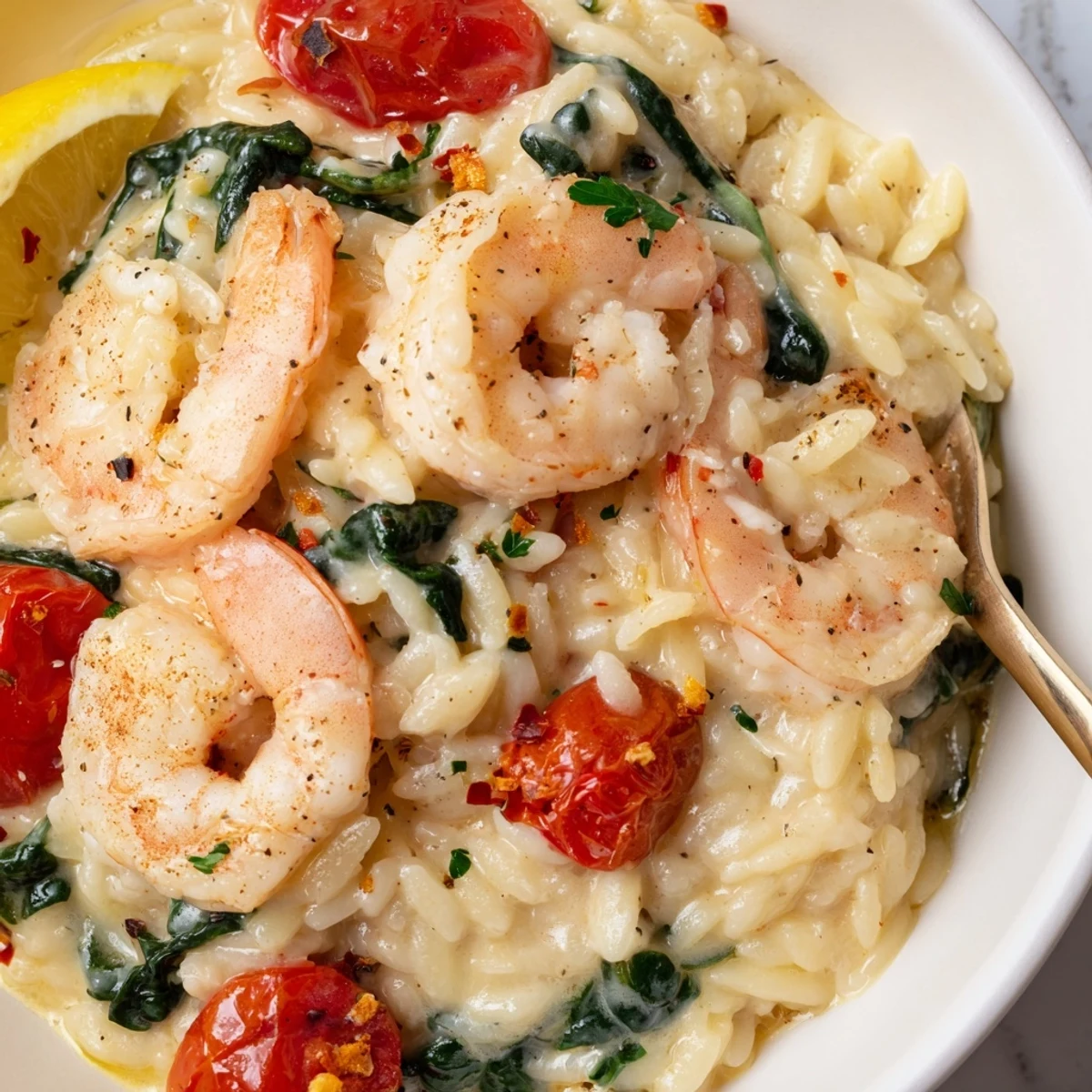
 The night I realized this recipe had become part of my regular rotation, I found myself reaching for the skillet without even checking the fridge first because I already knew I had everything. Some dishes earn their place in your kitchen through repetition alone, and this one earned it through pure reliability.
What If I Do Not Have White Wine
You can absolutely swap in an equal amount of extra broth with a squeeze of lemon juice and still get a wonderful result. The wine adds a subtle acidity that brightens the cream, but lemon does a solid job standing in when needed.
Making It Ahead and Storing Leftovers
This dish is best served immediately because the orzo drinks up the sauce as it sits, but leftovers reheat surprisingly well with a splash of broth or water stirred in gently over low heat. I have eaten it cold straight from the container the next day and honestly had no complaints.
Tools That Make This Easier
A wide, deep skillet with a tight fitting lid is really the only essential piece of equipment here because it gives the orzo room to cook evenly and lets you do everything in one pan. Beyond that, trust your wooden spoon and your own judgment more than any timer.
- A heavy bottomed skillet distributes heat more evenly and reduces the chance of scorching on the bottom.
- A garlic press saves time on busy nights, but a sharp knife and a little patience works just as well.
- Keep a measuring cup next to the stove so you can add broth in a pour rather than fumbling with cartons mid stir.
 Pin It
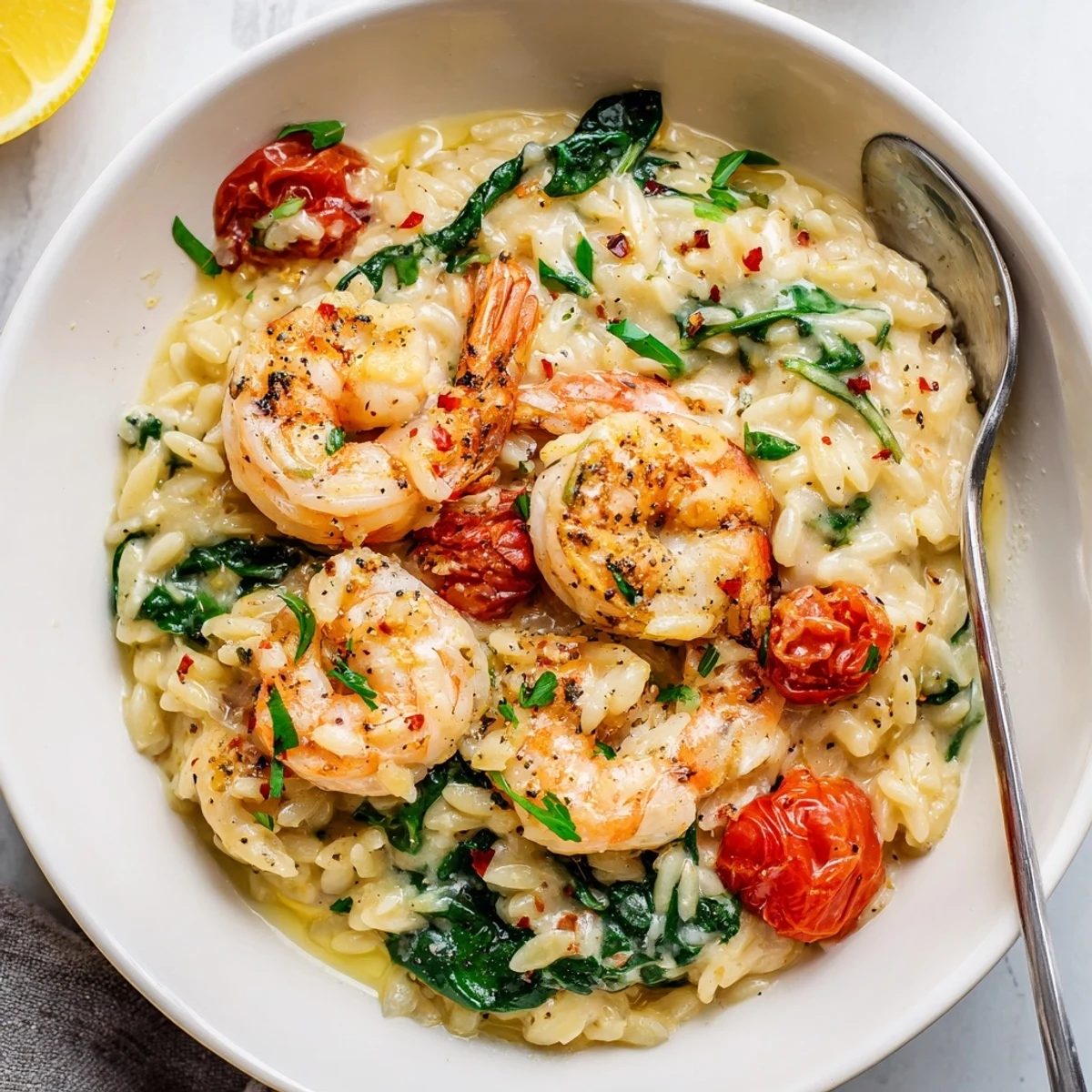
 Make this once and it will live in your back pocket forever, ready for nights when you need dinner to be both effortless and a little bit special. That is the magic of a good one pan meal.
Recipe Questions
- → What kind of shrimp works best?
-
Large, deveined shrimp with the shell removed cook quickly and develop a good sear. Wild-caught or sustainably farmed shrimp both work; choose firm, translucent pieces for best texture.
- → How do I avoid overcooking the shrimp?
-
Sear shrimp briefly until just opaque and remove them. They will finish cooking when returned to the pan with the sauce—this prevents toughness and keeps them juicy.
- → Can I skip the white wine?
-
Yes. Substitute an equal amount of additional broth or a splash of lemon juice for brightness. Wine adds acidity and depth, but the dish remains flavorful without it.
- → How do I know when the orzo is done?
-
Simmer until the orzo is almost tender and most liquid is absorbed, about 8–10 minutes. It should be slightly firm to the bite before adding cream so it finishes perfectly in the hot sauce.
- → Any tips for a lighter version?
-
Swap heavy cream for half-and-half or a blend of milk and a tablespoon of flour to thicken gently. Reduce Parmesan slightly and add extra lemon zest for brightness.
- → How should leftovers be stored and reheated?
-
Cool within two hours and refrigerate in an airtight container for up to 2 days. Reheat gently over low heat with a splash of broth or milk to restore creaminess and prevent the shrimp from tightening.