
 Pin It
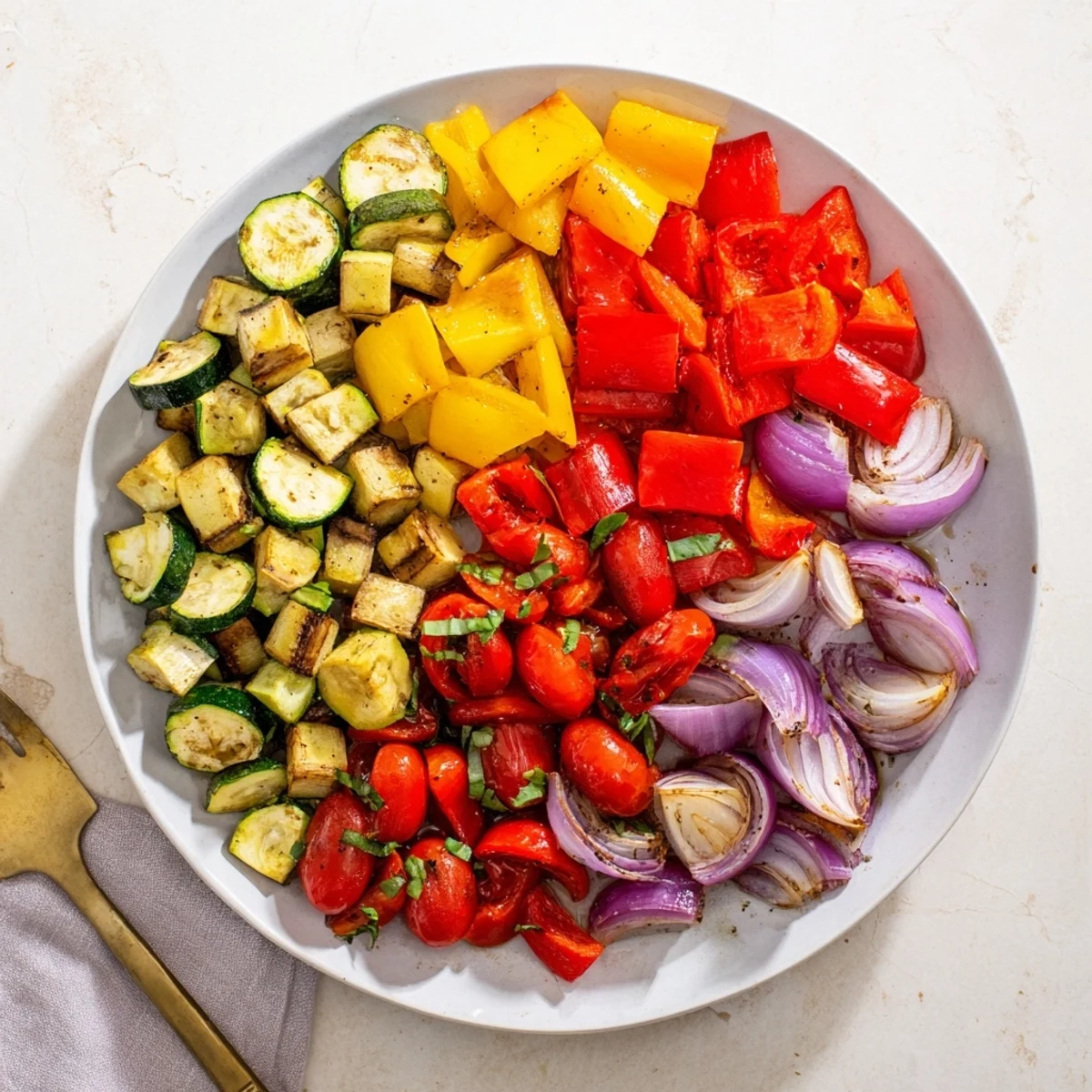
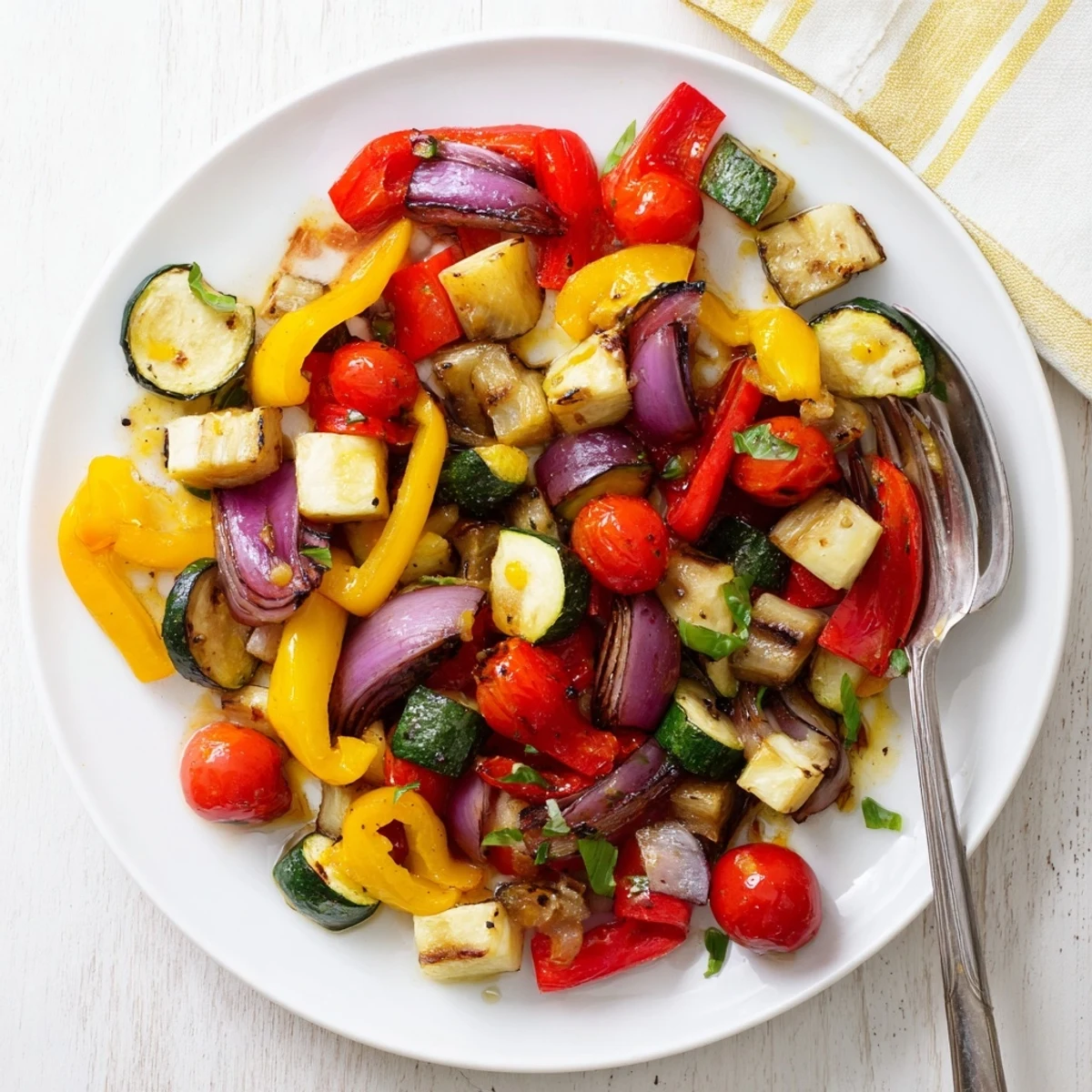
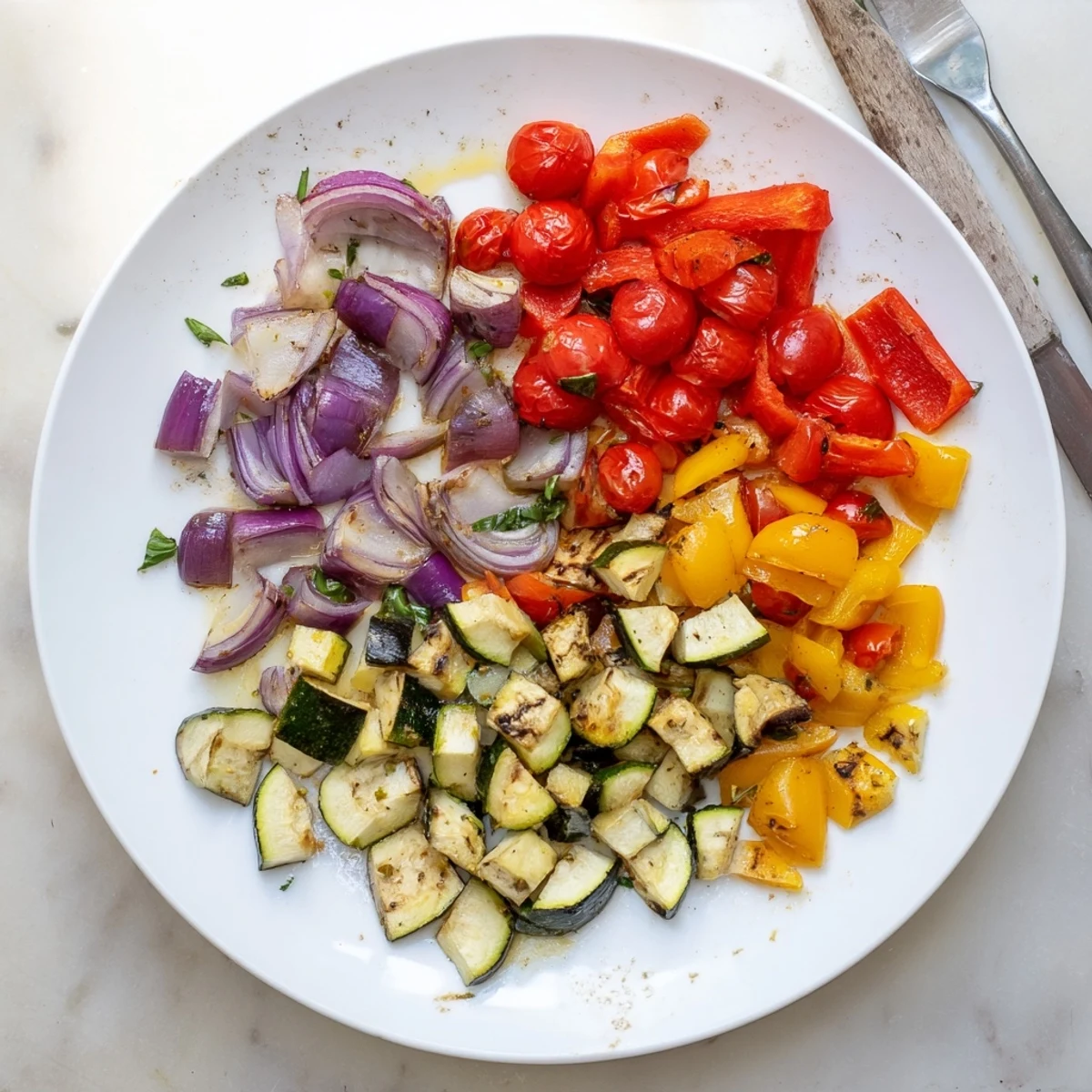
 Classic Mediterranean roasted vegetables bring together bell peppers, zucchini, eggplant, red onion, and cherry tomatoes, all coated in extra virgin olive oil with garlic, oregano, and thyme. After a quick 20-minute prep, everything roasts at high heat until tender and caramelized. A finish of fresh basil ties the dish together. It pairs beautifully with grilled proteins, grains, or stands on its own as a satisfying vegetarian and vegan-friendly side that works warm or at room temperature.
My neighbor Maria used to roast vegetables every Sunday afternoon, and the smell would drift through our shared wall like an invitation I could never resist. She finally handed me the method one evening over a glass of wine, and I have not looked at a raw vegetable the same way since.
The first time I made these for a dinner party, my friend Jake who swore he hated eggplant went back for thirds. He still does not believe it is the same vegetable he grew up pushing around his plate.
Ingredients
- Red and yellow bell peppers: The two colors are not just for show because they actually roast at slightly different sweetness levels and create a more complex flavor together.
- Zucchini: Slice it thick enough that it holds its shape, otherwise it turns to mush and disappears into the mix.
- Eggplant: Cubing it small helps it caramelize faster, and that is the whole trick to making eggplant taste good in the oven.
- Red onion: Wedges work so much better than diced pieces because they get those gorgeous charred edges without falling apart.
- Cherry tomatoes: Halving them lets them burst and create little pockets of sauce right on the pan.
- Extra virgin olive oil: Do not skimp here because this is what carries all the herb flavor into every single piece.
- Garlic: Minced raw garlic roasts into sweet golden bits that are entirely different from sauteed garlic.
- Dried oregano and thyme: Dried herbs actually work better than fresh here because they can survive the high heat without burning.
- Sea salt and black pepper: Season more generously than you think you need because roasting mutes saltiness.
- Fresh basil: Added only after roasting so it keeps that bright raw flavor that cuts through all the richness.
Instructions
- Preheat and prep your pan:
- Get your oven to 220C and line a large baking sheet with parchment paper. This temperature is high enough to caramelize but not so high that everything burns before cooking through.
- Toss everything together:
- Pile all the chopped vegetables into a big bowl, pour in the olive oil, and scatter the garlic, oregano, thyme, salt, and pepper over the top. Use your hands to toss because you can feel when every piece is evenly coated.
- Spread in a single layer:
- Arrange everything on the prepared sheet without overcrowding. If the pieces are stacked, they will steam instead of roast, and that is the difference between okay and incredible.
- Roast until caramelized:
- Let them go for 30 to 35 minutes, pulling the pan out at the halfway mark to give everything a good stir. You want tender centers with those dark golden edges that taste like candy.
- Finish with fresh basil:
- Pull the pan from the oven, scatter the chopped basil over the hot vegetables, and toss gently. The heat wilts the basil just enough to release its aroma without cooking it away.
 Pin It
 Last summer I brought a huge platter of these to a backyard potluck and watched them disappear before the main course even came out. Someone actually asked for the recipe while still chewing, which I think is the highest compliment food can receive.
Picking the Right Vegetables
I have learned that the best roasting vegetables share one thing in common, which is that they have lower water content. Things like mushrooms, cauliflower, and broccoli also work beautifully if you want to mix things up beyond the classic lineup.
Serving It Like a Mediterranean Kitchen
In Greece and Italy these vegetables rarely show up alone on a plate. Try spooning them over crusty bread, folding them into an omelette the next morning, or tucking them into a warm pita with a drizzle of tahini.
Making It Your Own
The base recipe is forgiving enough that you can take it in dozens of directions once you know how the roasting works. A pinch of smoked paprika adds depth that makes people wonder what your secret is.
- Feta crumbled on top right before serving turns it into something almost like a warm salad.
- A squeeze of lemon juice at the end brightens everything in a way you would not expect.
- Leftovers reheat surprisingly well in a hot skillet if you want to revive the edges.
 Pin It
 Simple food done well is always the thing people remember, and this dish has proven that to me more times than I can count.
Recipe Questions
- → What vegetables work best for Mediterranean roasting?
-
Bell peppers, zucchini, eggplant, red onion, and cherry tomatoes are traditional choices. You can swap in squash, cauliflower, or asparagus based on seasonality and preference.
- → How do you prevent roasted vegetables from becoming soggy?
-
Spread vegetables in a single layer on the baking sheet without overcrowding. The high oven temperature (220°C) helps evaporate moisture and develop caramelization.
- → Can this be prepared ahead of time?
-
Yes, you can chop and season the vegetables a few hours in advance and refrigerate them. Roast just before serving for the best texture and flavor.
- → Is this dish suitable for vegan and gluten-free diets?
-
The base preparation uses only vegetables, olive oil, and herbs, making it naturally vegan and gluten-free. Skip any optional feta cheese to keep it fully dairy-free.
- → What herbs pair well with roasted Mediterranean vegetables?
-
Dried oregano and thyme infuse beautifully during roasting, while fresh basil added afterward brings brightness. Rosemary or marjoram are also excellent alternatives.
- → How should leftovers be stored and reheated?
-
Keep leftovers in an airtight container in the refrigerator for up to 3 days. Reheat in the oven at 180°C or enjoy cold straight from the fridge.