
 Pin It
 This beloved Chinese dish combines tender marinated chicken with egg noodles, fresh vegetables, and a rich umami sauce. The secret lies in high-heat stir-frying techniques that create smoky flavors and perfectly crisp-tender vegetables. With customizable ingredients and quick preparation, this versatile meal delivers restaurant-quality results at home.
The steam rising from my wok always transports me back to that tiny apartment kitchen where I first attempted chow mein, burning my garlic and overcooking the noodles into a gummy mess. Three years later, after countless takeout comparisons and patient evenings practicing my high-heat technique, I finally cracked the code to restaurant-quality results at home. Now this recipe lives in our weekly dinner rotation, delivering those slippery, sauce-coated noodles and crisp-tender vegetables that make everyone reach for seconds.
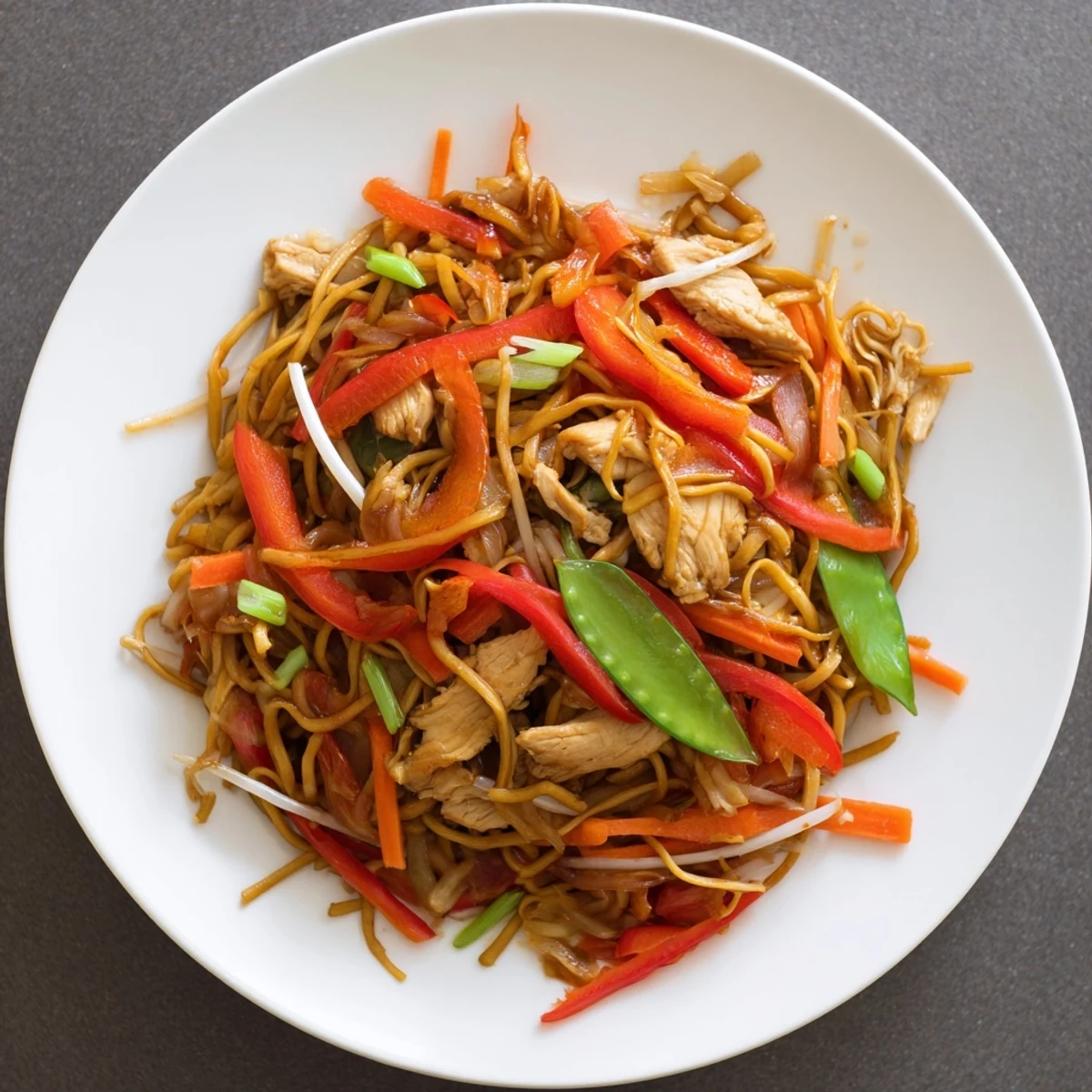
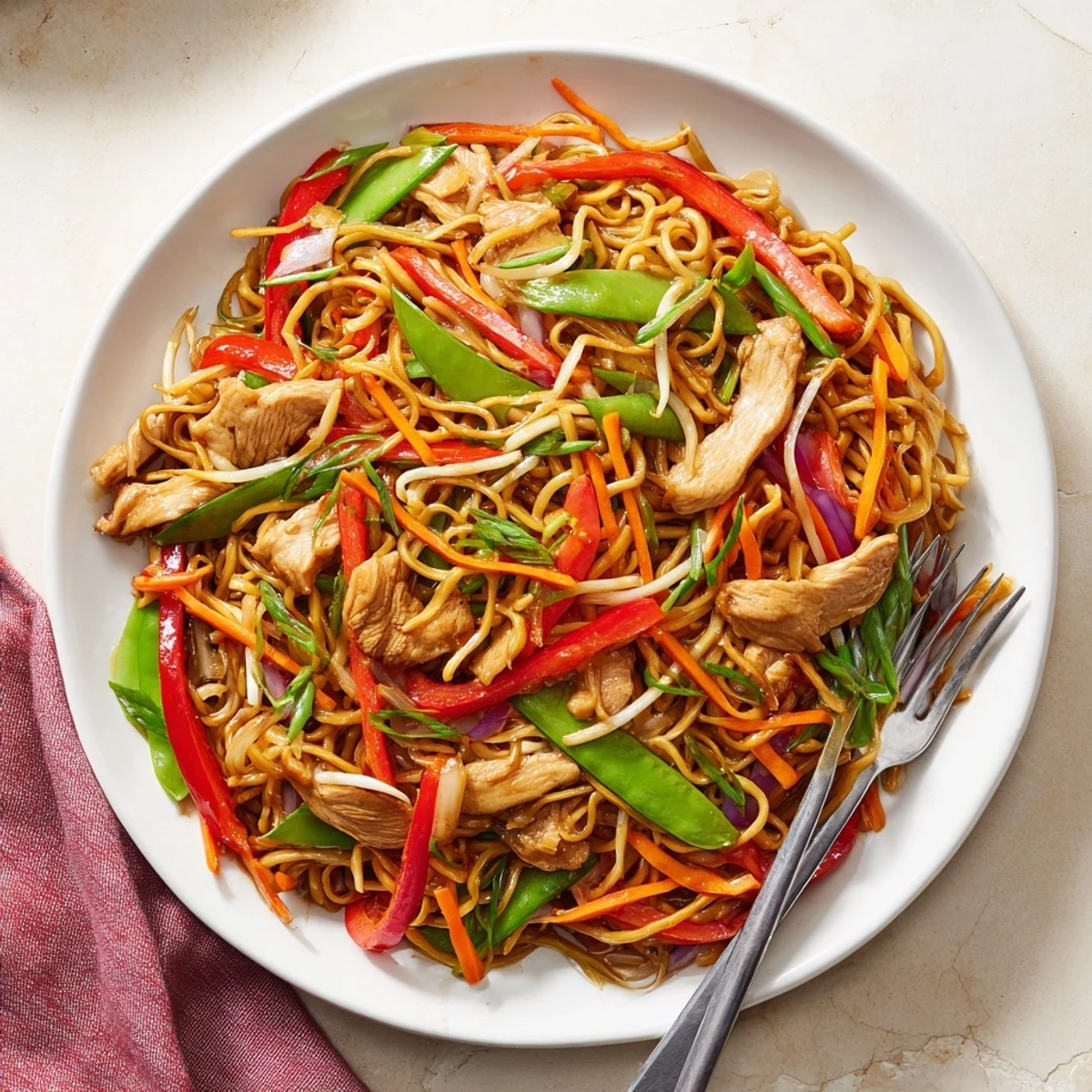
Last Tuesday, my usually picky sister-in-law leaned over her bowl and asked what restaurant I ordered from, then literally dropped her fork when I told her I made it myself. The way those julienned carrots catch the light against the red pepper always makes the dish feel like something special, even on chaotic weeknights.
Ingredients
- 400 g boneless skinless chicken breast, thinly sliced: Cutting against the grain into thin strips ensures every bite stays tender, even after high-heat cooking
- 1 tbsp soy sauce, 1 tsp cornstarch, 1 tsp sesame oil: This velvetting technique protects the chicken fibers and keeps it juicy through stir-frying
- 3 tbsp soy sauce, 1 tbsp oyster sauce, 1 tbsp hoisin sauce: The trifecta of classic Chinese condiments creates that depth you taste in good takeout
- 1 tsp sugar, 1/2 tsp ground white pepper: White pepper adds subtle heat without black specks, while sugar balances the salty sauces
- 250 g chow mein or egg noodles: Look for fresh egg noodles in the refrigerated section or dried ones labeled specifically for chow mein
- 2 tbsp vegetable oil, divided: High-smoke-point oil handles the intense heat needed for proper wok cooking
- 2 garlic cloves, minced: Prep everything before you start cooking, garlic burns faster than you think
- 1 medium onion, 1 large carrot, 1 red bell pepper: Cut all vegetables uniformly so they cook at the same rate
- 100 g bean sprouts, 4 spring onions, 100 g snow peas: These add the essential crunch and freshness that contrasts the tender noodles
Instructions
- Marinate the chicken:
- Toss sliced chicken with soy sauce, cornstarch, and sesame oil in a bowl and let it sit for at least 10 minutes while you prep everything else
- Mix the sauce:
- Whisk together soy sauce, oyster sauce, hoisin sauce, sugar, white pepper, and water until the sugar dissolves completely
- Cook the noodles:
- Prepare noodles according to package directions, drain, rinse under cold water to stop cooking, and toss with 1 teaspoon of oil
- Sear the chicken:
- Heat 1 tablespoon oil in a wok over high heat until smoking, add chicken in a single layer and cook undisturbed for 1 minute before stir-frying until just cooked through
- Cook the vegetables:
- Add remaining oil, garlic, and onion to the wok, stir-fry for 1 minute, then add carrot, bell pepper, and snow peas for 2 to 3 minutes
- Combine everything:
- Return chicken to the wok with noodles, bean sprouts, spring onions, and sauce, tossing over high heat until everything is coated and heated through
 Pin It
 My daughter now requests this for her birthday dinner every year, hovering around the stove with her own pair of chopsticks ready to snatch taste tests. The sound of vegetables hitting hot oil became the soundtrack to our evening kitchen conversations.
Choosing the Right Noodles
Fresh egg noodles from the refrigerated section of Asian markets yield the best texture, but dried chow mein noodles work perfectly when that is what you can find. Avoid ramen or Italian pasta, they do not have the right chewiness to hold up against the sauce and vegetables.
Mastering High-Heat Cooking
Professional cooks let their woks smoke slightly before adding oil, creating the searing temperature needed for that characteristic stir-fry flavor. If your vegetables release too much water and start stewing, your heat is not high enough, or you are overcrowding the pan.
Building Your Stir-Fry Intuition
After making this recipe a dozen times, you will start adjusting heat and timing by smell and sound. The garlic should hit the oil with a fierce sizzle that fills the kitchen within seconds.
- Keep your movement fluid and constant once ingredients hit the wok
- Ingredients continue cooking after you remove them from heat, so slightly undercook vegetables
- Taste and adjust seasoning before serving, you can always add more soy sauce
 Pin It
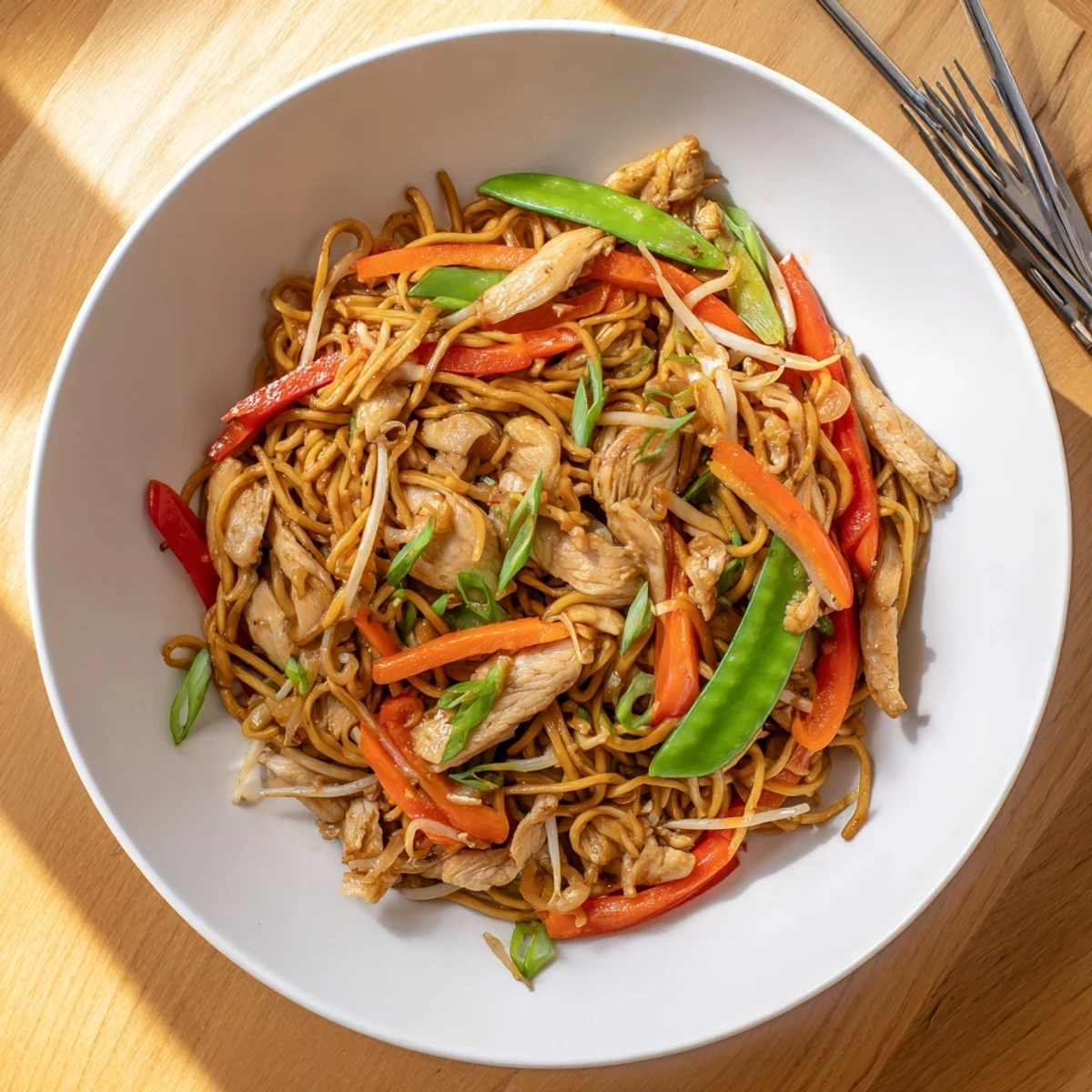
 There is something deeply satisfying about pulling off a dish that looks and tastes like it came from a restaurant kitchen. Your family will start requesting this by name, mark my words.
Recipe Questions
- → What makes authentic chow mein different from lo mein?
-
Chow mein features stir-fried noodles that become slightly crispy, while lo mein uses boiled noodles tossed with sauce. This stir-fry method creates those characteristic smoky flavors and varied textures throughout the dish.
- → Can I prepare this ahead of time?
-
Yes! Slice vegetables and marinate chicken up to 24 hours in advance. Cook noodles beforehand and toss with oil to prevent sticking. Everything stir-fries quickly when you're ready to eat.
- → What vegetables work best in chow mein?
-
Classic choices include bean sprouts, snow peas, bell peppers, carrots, and onions. Feel free to add bok choy, mushrooms, or bamboo shoots based on preference and seasonal availability.
- → How do I prevent noodles from sticking together?
-
Rinse cooked noodles under cold water immediately after draining. Toss them with a teaspoon of vegetable oil before stir-frying. This keeps strands separate and ready for the wok.
- → Can I make this vegetarian or use other proteins?
-
Absolutely! Replace chicken with tofu, shrimp, beef, or pork. For vegetarian versions, use vegetable stock and substitute fish sauce with additional soy sauce or mushroom sauce for depth.
- → What's the best way to achieve restaurant-style smoky flavor?
-
Use a well-seasoned wok or heavy skillet over high heat. Let the pan get properly hot before adding ingredients. The quick searing creates those desirable crispy edges and smoky notes.